Can You Leave Solar Panels Plugged In Continuously?
Yes, you can usually leave solar panels connected to a power station continuously when the station has a suitable charge controller and the panel voltage matches its input limits. Charging normally stops or reduces when the battery is full, but you should still follow the station manual and inspect the setup.
On this page (7 sections)
- Can you leave solar panels connected to a power station continuously?
- What happens to solar charging overnight?
- Does the charge controller protect a full battery?
- Should the panel stay connected while the station is in use?
- When should you disconnect the solar panel?
- How can you leave solar plugged in safely?
- What is the safest decision for continuous solar charging?
Yes, you can usually leave solar panels connected to a power station continuously when the station has a suitable charge controller and the panel voltage fits the station's solar input range. That answer applies to most modern portable power stations, but it still depends on a careful check of the details before you walk away from the setup.
The panel voltage is the first detail to confirm. A charge controller can manage how power flows into the battery, but it cannot make an over voltage panel safe for a station with a lower input limit.
Read the panel label and the station manual side by side, and check both the maximum voltage and the connector type.
The same care applies after sunset. Solar panels produce little or no useful power in darkness, so an overnight connection usually just means the cable stays in place until first light.
That is different from continuous charging, and it is also different from leaving a wet connector, damaged cable, or unsuitable panel attached without checking it.
Weather exposure is the next practical check. A panel can handle outdoor use, but the power station ports, cable joins, and adapters still need to stay dry and off wet ground.
Keep the station under cover where possible, route the cable away from standing water, and inspect the connections before leaving the setup unattended.
Cable condition matters just as much as voltage. Look for cuts, pinched sections, loose housings, and signs of heat or melting at the connector.
If anything looks worn or damaged, disconnect the panel and sort it out before using it again.
Finally, check the station display after you connect the panel in daylight. Confirm that it shows solar input, a rising battery level, and no fault or temperature warning.
With compatible equipment, dry connections, sound cables, and regular checks, leaving the panel connected is a sensible way to charge without constant plugging and unplugging.
Can you leave solar panels connected to a power station continuously?
You can leave the connection in place when the equipment is compatible and protected. Portable power stations commonly use a charge controller to regulate solar input, so the station can reduce or stop charging as the battery reaches its limit.
Before connecting anything, compare the panel's maximum voltage with the station's allowed solar input. For example, the BLUETTI panel below has a maximum voltage of 26.1 volts, while the EBL panel has a maximum voltage of 35 volts.
Those figures are not interchangeable across every power station.
Read the station manual for its solar input range, connector requirements, and instructions for long periods of charging. If the panel voltage is too high, the connection may damage the charging system.
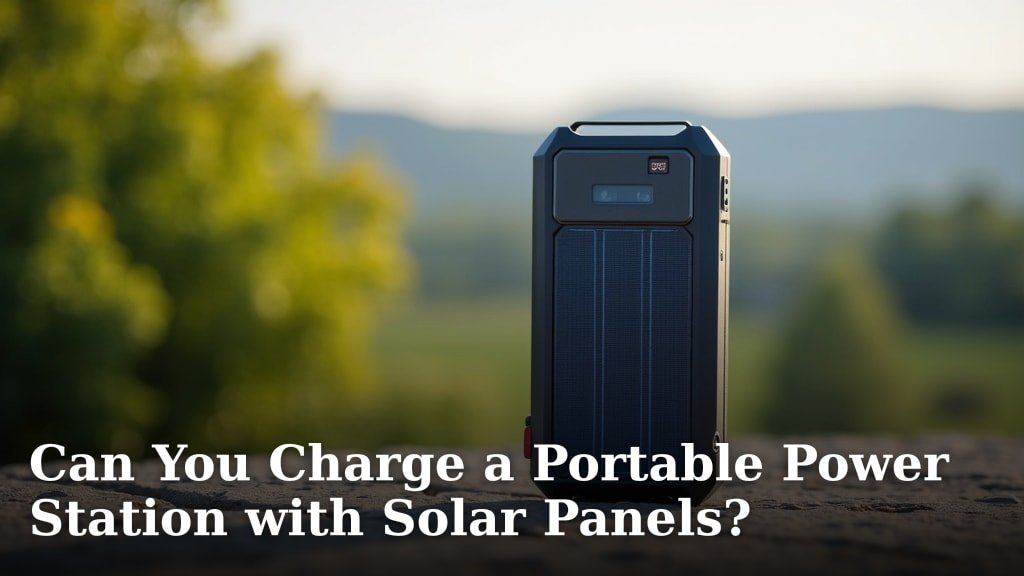
For background, see Can You Charge a Portable Power Station with Solar Panels?.
What happens to solar charging overnight?
Solar charging normally falls to little or no output after sunset. A panel needs sunlight to generate useful power, so leaving the cable connected overnight does not mean the battery receives the same charge as it does in daylight.
Cloud, shade, panel angle, and temperature can also reduce daytime output. A panel rated at a certain wattage reaches that figure only under favorable conditions, so the station may show changing input power throughout the day.
Keep the panel positioned where it receives direct sunlight, but don't leave it where the cable or connector can sit in water. If you use a foldable panel, close and store it according to its instructions when severe weather is expected.
Does the charge controller protect a full battery?
The charge controller helps manage incoming power, but it does not remove the need for correct setup. It may reduce or stop charging when the battery reaches its limit, depending on the power station's design and charging mode.
A controller cannot correct an over-voltage panel connection. It also cannot make damaged cables, loose connectors, wet ports, or poorly placed equipment safe.
Check the power station display after connecting the panel. Look for solar input, battery level, temperature warnings, and any charging error.
If the station reports a fault, disconnect the panel and follow the manual's troubleshooting steps.
How does the BLUETTI 200W panel fit this use?
The BLUETTI 200W Solar Panel for Solar Generator uses monocrystalline silicon cells and a solar connector. It has a maximum power of 200 watts, maximum voltage of 26.1 volts, and efficiency up to 23.4%.
Its folded size is 22.5 x 23.6 x 2.9 inches, and it weighs 17.2 lb. The panel has an ETFE coating, adjustable kickstands, and is designed for use with compatible BLUETTI power stations and other stations that accept its voltage.
Choose this panel when your station accepts its solar connector and voltage. BLUETTI says its power stations include a built-in MPPT controller, but you still need to confirm the station's input limits before connecting it.
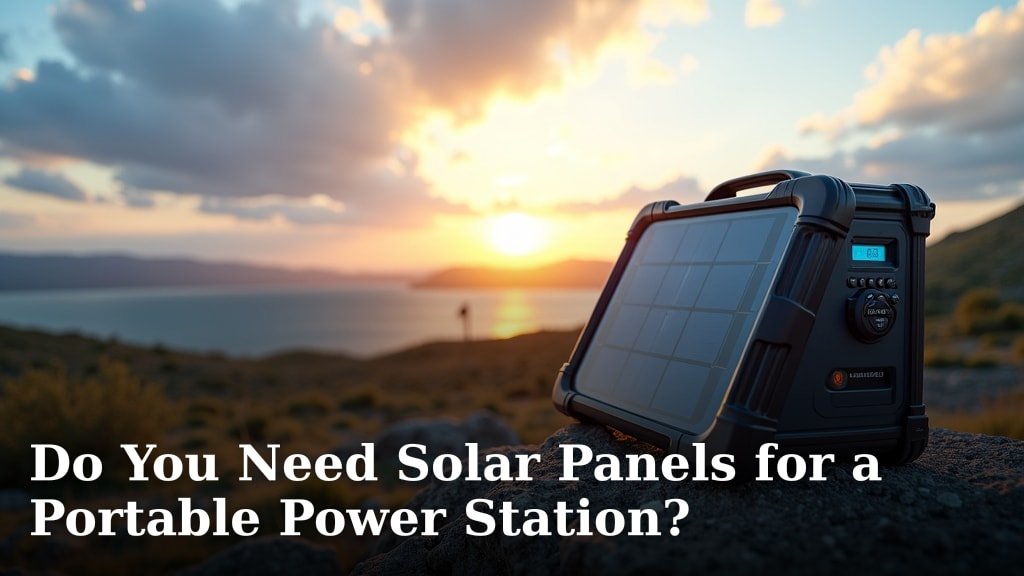
For planning the rest of the setup, read Do You Need Solar Panels for a Portable Power Station?.
Should the panel stay connected while the station is in use?
It can stay connected while the station powers devices if the station supports simultaneous solar input and output. The exact result depends on the station's operating limits, battery level, and the power draw from connected devices.
A device using power can make it appear that solar charging continues for longer because some incoming energy is being used immediately. If the load is higher than the solar input, the battery can still fall even while the panel is connected.
Don't assume a full battery will remain full under every load. Watch the battery percentage and solar input display, especially when powering refrigerators, heaters, or other high-draw devices.
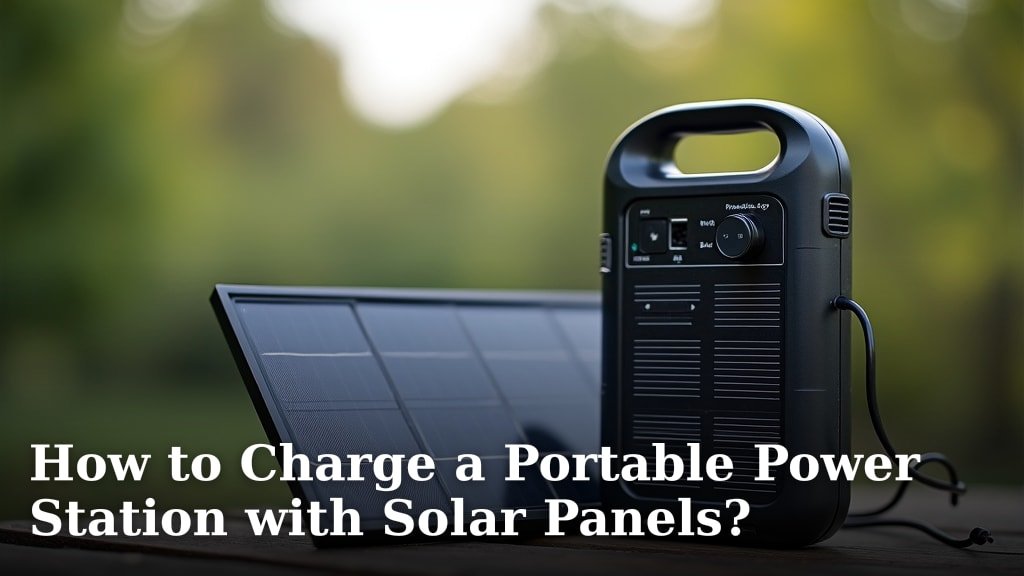
The guide How to Charge a Power Station with Solar Panels explains panel placement, connection order, and charge planning in more detail.
What does the DELTA Pro solar generator offer?
The EF ECOFLOW Solar Generator 3.6KWh DELTA Pro includes a 3,600 Wh power station and a 400W portable solar panel. The package includes a solar charge cable, and the solar panel has a stated conversion rate of 22.4%.
The DELTA Pro has 5 AC outlets, 4 USB-A ports, 2 USB-C ports, 2 DC ports, 1 car power output, and 1 Anderson port. Its listed output wattage is 3,600 watts.
This setup suits home backup, camping, and residential use when its size and output match your needs. The solar generator and panel arrive in separate packages, so check that both parts are available before planning the installation.
When should you disconnect the solar panel?
Disconnect the panel before storms, maintenance, cleaning, storage, or any setup change. You should also disconnect it if a cable becomes hot, a connector is loose, the station shows an error, or water reaches a connection.
Unplug by holding the connector rather than pulling the cable. Keep the panel cable away from sharp edges, walking paths, heat sources, and places where it can be pinched.
If you store the power station for a long period, follow its battery storage instructions. A panel left outside can continue to face weather exposure even when the station is switched off.
Is the EBL 200W panel useful for a permanent connection?
The EBL 200W Portable Solar Panel for Power Station is a foldable panel with monocrystalline silicon cells, PET lamination, and an 840D Oxford cloth outer. It has a maximum power of 200 watts and a maximum voltage of 35 volts.
It folds to 25.31 x 20.87 x 2.17 inches and weighs 18 lb. It includes an MC4 to 4-in-1 solar charge cable with XT60, Anderson, DC79*09mm, and aviation connectors, plus a user manual.
Its connector range can help when your power station uses one of the supported outputs, but the voltage still needs to match. The IP65 rating and panel construction do not mean every connected power station or cable join can remain exposed to heavy rain.
How can you leave solar plugged in safely?
Use a compatible panel, keep connections dry, and check the station during charging. A simple routine reduces the main risks of incorrect voltage, damaged cables, heat, and water exposure.
- Confirm the panel voltage and connector match the power station.
- Place the panel in direct sunlight without shading the cells.
- Keep the power station and cable joins off wet ground.
- Check the display for input, battery level, temperature, and errors.
- Inspect cables and connectors before leaving the setup unattended.
- Disconnect during severe weather, cleaning, repairs, or storage.
For connection steps, see How to Charge a Portable Power Station with Solar Panels?. If you are comparing equipment before buying, Best Portable Power Station With Solar Panel and Best Solar Panel For Portable Power Station can help narrow the choices.
What is the safest decision for continuous solar charging?
Leaving solar panels plugged into a power station continuously is usually reasonable when the panel voltage, connector, and charging limits match. The safest choice is to keep the setup dry, inspect it regularly, and disconnect it when weather, storage, or maintenance makes unattended charging unsuitable.
Pick a compatible 200W panel for smaller solar charging needs, or choose the DELTA Pro set when its 3,600 Wh capacity and 400W panel fit your backup plan. The power station manual remains the final guide for full charge behavior and long term connection.
Frequently asked questions
Can you leave solar panels plugged into a power station overnight?
Yes, if the power station accepts the panel's voltage and has its charging protections active. Solar panels produce little or no useful output in darkness, so overnight connection usually means the cable remains attached until daylight.
Keep connectors dry and follow the station's manual.
Does a solar panel keep charging a power station after it is full?
A suitable power station uses its charge controller to manage incoming solar energy as the battery approaches full charge. Charging may stop or reduce, but the exact behavior depends on the model.
Check the display and manual instead of assuming every station handles full charge the same way.
Is it safe to leave a portable power station connected to solar in rain?
Only use the panel and power station outdoors when their manuals allow it and the relevant equipment has suitable protection. Keep power-station ports, cable joins, and adapters away from standing water.
Water resistance for one component does not make the whole charging setup waterproof.
Should you disconnect solar panels when the power station is full?
Disconnecting is not always required when the station's controller is designed to manage solar input, but it can be sensible during storms, storage, cleaning, or when you cannot inspect the setup. Use the manual's guidance for long-term connection and full-battery storage.