What Can a 1000wh Power Station Run?
On this page (8 sections)
A 1000Wh power station can run a surprising number of your devices, especially for a short time. You can power laptops, mini-fridges, phones, and even some small power tools. The exact run time depends on each device’s power draw.
We found that a 1000Wh power station offers a good balance of portability and power capacity. It’s perfect for camping trips, tailgating, or as a reliable backup during a power outage. Think of it as a large portable battery pack for your home or outdoor adventures.
TL;DR:
- A 1000Wh power station can run many common electronics.
- Good for laptops, mini-fridges, and charging phones.
- Run time varies based on the device’s wattage.
- Excellent for camping, outdoor events, or emergencies.
- Offers a strong balance of size and power.
Let’s dive into the specifics of what a 1000Wh power station can really do for you, and how long it can keep your essential items running.
Unveiling the Capabilities of a 1000Wh Portable Power Station
A 1000Wh portable power station is a versatile tool. It can energize various devices for your outdoor adventures or keep essentials running during an outage. We’ve looked at what this capacity truly means for your daily life.
Understanding Watt-Hours (Wh) and Wattage (W)
Before we dive into what you can power, let’s quickly clarify some terms. Watt-hours (Wh) tell you the total energy a battery can store. Think of it as the size of your gas tank. Wattage (W) is how much power a device uses at any given moment. This is like your car’s fuel efficiency.
A 1000Wh power station means it can deliver 1000 watts for one hour, or 100 watts for ten hours, and so on. Understanding this helps you estimate how long your devices will run.
Why Wh Matters More Than Volts
You might see ratings like 12V or 24V on other batteries. While important for some tasks, Wh is the best measure for total capacity. It directly tells you how much energy you have available for your gadgets. It’s the easiest way to compare different power stations.
What Can a 1000Wh Power Station Really Run?
The beauty of a 1000Wh unit is its ability to handle a range of electronics. From small personal items to larger appliances, you have options. It’s often enough for a weekend trip or a short power disruption.
Essential Devices for Home & Office
During a power outage, your mind often goes to communication and light. A 1000Wh power station is fantastic for these. We found it can keep your critical items going strong. You won’t be left in the dark or disconnected.
- Laptops: Most laptops use between 30-60W when active. A 1000Wh station could power an average laptop for 15-30 hours. That’s a lot of work or entertainment!
- Smartphones & Tablets: Charging these is very efficient. A typical phone charge uses about 10-15Wh. You could charge a smartphone 50 to 100 times with a 1000Wh unit.
- Wi-Fi Routers: Staying connected is key. A standard router uses around 10-20W. This means your internet could stay up and running for 50-100 hours.
- LED Lights: Low-wattage LED bulbs (5-10W) are very power-efficient. You could light up a room or campsite for 100-200 hours, perhaps even longer.
- CPAP Machines: Many users need CPAP for sleeping. These machines typically use 30-60W (without a humidifier). A 1000Wh power station can offer 15-30 hours of continuous use, a major comfort during outages.
Outdoor & Recreational Gear
For campers, tailgaters, or anyone enjoying the outdoors, a 1000Wh unit is a game-changer. It brings a lot of convenience to remote locations. Imagine having all the comforts of home, even when you’re far away.
- Mini-Fridges/Coolers: A small 50W mini-fridge can run for about 20 hours. This keeps your food and drinks cold on those long trips.
- Portable Fans: Stay cool with a 20-30W fan for 30-50 hours. This makes summer camping much more pleasant.
- Drones & Camera Batteries: Recharge multiple drone or camera batteries multiple times. This ensures you capture all those memorable moments without worry.
- Portable Projectors: Enjoy an outdoor movie night! A 100W projector could run for 10 hours. Gather your friends and family for some fun.
Powering Small Appliances and Tools
While not for heavy-duty construction, a 1000Wh power station can manage some smaller appliances and power tools. This is where you need to check the wattage carefully. You want to make sure your tool’s starting wattage doesn’t exceed the station’s surge capacity.
Comparing Power Station Output to Appliance Needs
Every power station has a continuous output rating and a peak (or surge) rating. The continuous rating is what it can supply steadily. The peak rating is a brief burst of higher power for devices that need a lot of juice when they first start up, like a blender with a motor (National Electrical Manufacturers Association).
| Device | Avg. Wattage (W) | Approx. Run Time (1000Wh) |
|---|---|---|
| Coffee Maker (small) | 600 – 800W | 1 – 1.5 hours |
| Blender | 300 – 500W | 1.5 – 3 hours |
| Hair Dryer (low setting) | 600 – 1000W | 1 – 1.5 hours |
| Electric Kettle | 1000 – 1500W+ | < 1 hour (check surge) |
| Small Power Tool (e.g., drill) | 400 – 700W | 1.5 – 2.5 hours |
As you can see, high-wattage heating appliances like electric kettles or powerful hair dryers will drain your 1000Wh station quickly. They might even exceed its continuous output. Always check the appliance’s wattage label.
Factors That Affect Run Time
You might be wondering why some estimates vary. Several things influence how long your power station will last. It’s not always a simple equation. We’ve analyzed common scenarios to give you a clearer picture.
- Device Wattage: This is the biggest factor. A 20W light will run far longer than a 500W blender.
- Efficiency Loss: Power stations aren’t 100% efficient. Some energy is lost when converting DC to AC power. Expect about a 10-20% loss. So, your effective capacity might be closer to 800-900Wh (University of California, Berkeley).
- Battery Health: Over time, all batteries degrade. An older power station won’t hold as much charge as a new one.
- Temperature: Extreme cold or heat can affect battery performance and capacity. Keeping your unit at a moderate temperature helps.
- Simultaneous Devices: Running multiple devices simultaneously means the total wattage draw increases. This reduces overall run time significantly.
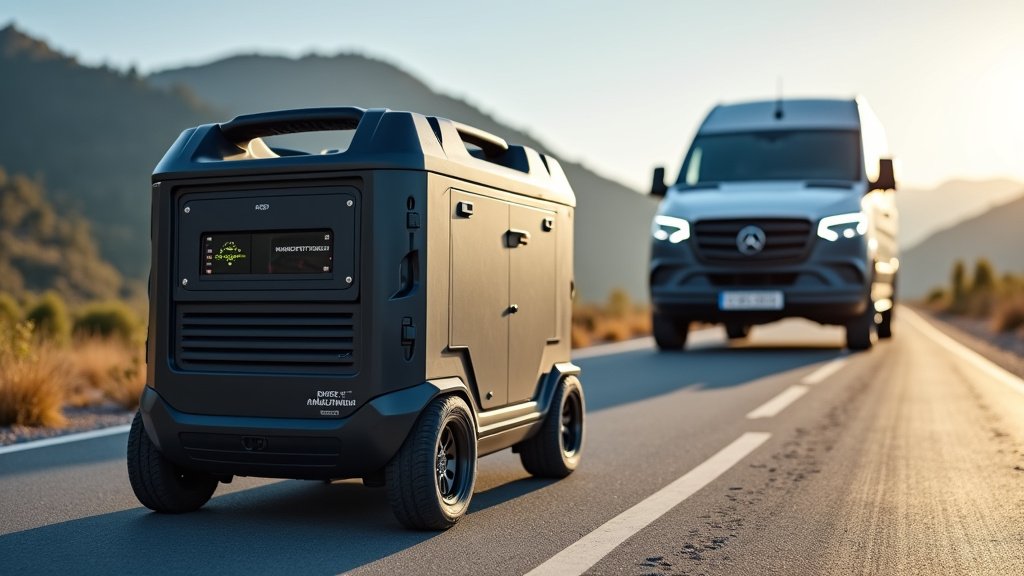
Maximizing Your 1000Wh Power
To get the most out of your power station, a little planning goes a long way. Think about what you truly need versus what’s merely convenient. We have some tips to help you extend your power when it counts.
Checklist for Efficient Power Usage:
- Prioritize Essentials: Focus on critical devices first, like lights, communication, or medical equipment.
- Turn Off Unused Devices: Unplug chargers and turn off gadgets when not in use to prevent phantom drain.
- Use DC Over AC: If a device can run directly from a DC car charger port on your power station, use it. This avoids the efficiency loss of AC conversion.
- Opt for Low-Wattage Alternatives: Choose LED lights over incandescent, or manual tools over electric when possible.
- Charge Strategically: Recharge your power station whenever possible, especially if you have access to solar panels or a vehicle charging port.
Is a 1000Wh Power Station Right for You?
Consider your typical usage needs. Are you a weekend camper, or do you need a more robust home backup? A 1000Wh unit is generally considered a medium-capacity portable power station. It strikes a good balance between runtime and portability. You can carry it easily but it still packs a punch.
For a basic emergency kit, it’s often more than enough. For longer off-grid living, you might want to consider adding solar panels for recharging. This extends your power indefinitely. It’s about finding the right balance for your lifestyle.
Conclusion
A 1000Wh portable power station is a versatile tool for both daily use and emergencies. You can keep essential devices running, enjoy outdoor adventures, and even power small appliances. We found its balance of portability and power makes it an excellent choice for many users.
Remember to consider your specific needs and prioritize your most important devices. With careful planning, your 1000Wh power station can provide reliable power wherever you go. Now, go forth and power your world!
Frequently Asked Questions
Can a 1000Wh power station run a full-size refrigerator?
Generally, no, a 1000Wh power station is too small for a full-size refrigerator. Most refrigerators require a high starting (surge) wattage and continuous power draw that exceeds the station’s capacity. You would need a much larger unit for that.
How long does it take to fully charge a 1000Wh power station?
Charging time varies greatly depending on the charging method. Using a standard wall outlet (AC) can take anywhere from 6 to 10 hours. With solar panels, it depends on the panel wattage and sunlight intensity, often taking a full day or more.
Is it safe to use a 1000Wh power station indoors?
Yes, most modern 1000Wh power stations use lithium-ion batteries and produce no toxic fumes, making them safe for indoor use. Always check the manufacturer’s instructions and ensure proper ventilation, especially if using high-wattage appliances.
Can I chain multiple 1000Wh power stations together for more power?
Some specific models allow for parallel connection to double the capacity or output, but this is not a universal feature. You should always consult your power station’s manual to see if it supports this functionality and how to do it safely.
What is the typical lifespan of a 1000Wh power station battery?
The lifespan is usually measured in “charge cycles.” Most quality 1000Wh power stations use LiFePO4 batteries, which offer 2,500 to 3,500 charge cycles before their capacity significantly degrades. This translates to many years of use with proper care.