What Is a Solar Generator?
On this page (3 sections)
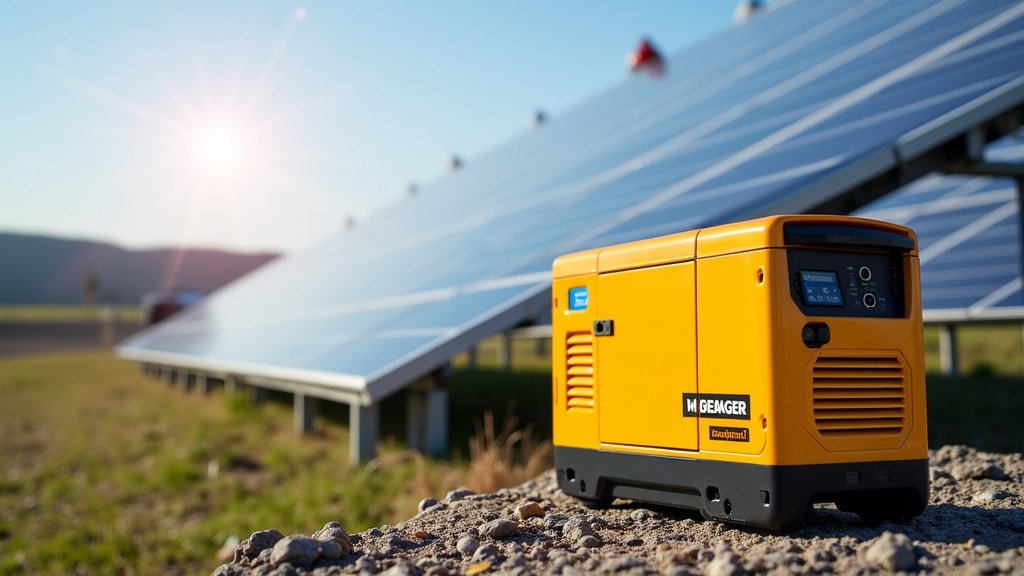
A solar generator is a portable power station that stores energy from the sun for later use. It’s essentially a large battery that you can charge with solar panels, giving you electricity wherever you go.
You can use this stored solar power to run everything from small electronics to larger appliances. Think of it as a silent, fume-free alternative to traditional gas generators, great for emergencies or off-grid adventures.
- A solar generator collects and stores sunlight as electricity.
- It’s a clean, quiet power source.
- You can charge phones, run lights, or power camping gear.
- This technology helps during power outages.
- It offers energy independence when you’re away from the grid.
Ready to understand how these handy devices work and if one is right for your needs? We’ve researched and found all the key information for you.
Understanding Solar Power Generators
A solar generator is more than just a battery; it’s a complete portable power system. It takes energy from the sun and converts it into usable electricity for your devices. This system makes it possible to have power in remote locations or during emergencies.
How a Solar Generator Works: The Basics
Ever wonder how sunlight becomes usable power for your phone or a mini-fridge? It’s a fascinating process! Solar generators have several key components that work together seamlessly. Let’s break down each part to understand its role in generating clean, quiet power.
Solar Panels: The Energy Collectors
The journey begins with the solar panels. These panels contain photovoltaic (PV) cells, which are magical little devices. When sunlight hits these cells, they create an electric current. Think of them as your power generator’s “eyes” that see and capture sunshine.
Charge Controller: The Protector
Once the solar panels generate electricity, it flows to the charge controller. This component is like a smart traffic cop for your power. Its main job is to regulate the voltage and current going into the battery. This prevents overcharging and protects your battery, making it last longer (NREL).
Battery: The Storage Unit
After passing through the charge controller, the electricity is stored in the generator’s battery. This is where the magic of “power when you need it” truly happens. Most modern solar generators use lithium-ion batteries because they are efficient, lightweight, and have a long lifespan.
Inverter: The Power Transformer
The power stored in the battery is direct current (DC). However, most household appliances and electronics use alternating current (AC). This is where the inverter comes in. It’s the component that converts DC power to AC power, allowing you to plug in your standard devices. Without an inverter, you couldn’t power your laptop or a coffee maker.
Key Components of a Solar Generator System
While the four elements above are core, a complete solar generator system often includes more. You’ll find features designed for convenience and safety. These additions make the unit user-friendly for everyone.
- Multiple Output Ports: These include AC outlets, USB ports (Type-A and Type-C), and 12V DC carports. They let you connect a variety of devices.
- Display Screen: A clear screen shows important information. You can see battery level, power input, and power output at a glance.
- Built-in Safety Features: Most units have protections against over-voltage, over-current, and short-circuits. This keeps you and your devices safe.
- Portable Design: Handles, compact shapes, and often wheels make larger units easy to move. They are built for life on the go.
Comparing Solar Generators to Traditional Gas Generators
You might be used to seeing noisy, fuel-guzzling gas generators. Solar generators offer a very different experience. Let’s look at how they stack up against each other.
| Feature | Solar Generator | Gas Generator |
|---|---|---|
| Fuel Source | Sunlight (renewable) | Gasoline, propane (fossil fuels) |
| Noise Level | Silent (no moving parts) | Loud (engine noise) |
| Emissions | Zero emissions | Harmful fumes (carbon monoxide) |
| Maintenance | Very low; battery care | Requires oil changes, spark plugs, fuel stabilizers |
| Indoor Use | Safe for indoor use | Never indoors (carbon monoxide risk) |
| Cost of Fuel | Free (after initial panel purchase) | Ongoing fuel costs |
As you can see, solar generators win big on being cleaner, quieter, and safer for indoor use. While the upfront cost might be higher, the “fuel” is free for life.
Who Benefits Most from a Solar Generator?
Is a solar generator the right fit for your lifestyle? We found that these devices serve a surprising range of needs. They offer practical solutions for many different situations.
Outdoor Enthusiasts
Are you a camper, RV owner, or someone who loves spending time off-grid? A solar generator provides power for your adventures. Imagine charging your phone, running a portable fridge, or lighting up your campsite without the hum of a traditional generator. It keeps your devices ready for anything nature throws at you.
Emergency Preparedness
Power outages happen. Whether due to storms or grid issues, being without power is frustrating and sometimes dangerous. A solar generator offers a reliable backup power source. It can keep your essential medical devices running, lights on, and communication devices charged. This peace of mind is priceless during a crisis.
Remote Workers & Digital Nomads
If your office is wherever you plug in your laptop, a solar generator can be a game-changer. You can work from beautiful, remote locations. It allows you to stay connected and productive even hundreds of miles from the nearest outlet. It’s about freedom and flexibility.
What Can You Power with a Solar Generator?
This is where it gets exciting! The range of devices a solar generator can power is vast. It all depends on the generator’s size and battery capacity.
Small, Everyday Devices
Most small solar generators can easily handle your electronics. Think about charging your phone, tablet, laptop, or camera batteries. They’re perfect for powering LED lights during a blackout or running a small fan. These generators are often very portable and easy to carry.
Medium-Sized Appliances
Step up to a mid-range solar generator, and you can power more significant items. This includes portable refrigerators, small blenders, electric coolers, or even a small TV. We found many users take these on RV trips to keep food fresh or enjoy entertainment. They are a great alternative to shore power.
Larger Capacities for Essential Home Use
The largest solar generators can handle a surprising amount. While they won’t power your entire home for days, they can keep critical appliances running. Picture powering a full-size refrigerator, a microwave, or specific medical equipment. Many emergency plans include these larger units to maintain home comfort and safety.
Choosing the Right Solar Generator for Your Needs
With so many options out there, how do you pick the best one? It comes down to understanding your specific power requirements. Don’t simply buy the biggest or cheapest. Instead, think about what you actually need to power.
We recommend making a list of the devices you plan to use. Note their wattage. This helps you calculate the total power needed.
Key Factors to Consider
Here’s a quick checklist to guide your decision-making process:
- Battery Capacity (Wh): How long do you need power to last? More watt-hours mean longer run times.
- Output Power (W): Can it handle the wattage of your devices? Match the generator’s output to your highest-wattage appliance.
- Portability: Do you need to carry it often? Look for lighter models with good handles or wheels.
- Charging Options: Can it charge from solar, wall outlets, and car ports? More options mean more flexibility.
- Number of Ports: Does it have enough AC, DC, and USB ports for all your devices?
- Expandability: Can you add more solar panels or extra batteries later to boost power?
Conclusion
You now have a solid understanding of what a solar generator is and how it works. From capturing sunlight with panels to delivering power with an inverter, these devices offer a clean and quiet energy solution. We’ve shown you their benefits over gas generators, highlighting their safety and versatility for various situations.
Whether you’re preparing for emergencies, planning outdoor adventures, or seeking energy independence, a solar generator can be an excellent investment. Carefully consider your power needs and the factors we’ve outlined. This will help you choose the perfect unit. Take the next step towards reliable, sustainable power today!
Frequently Asked Questions
Are solar generators harmful to the environment?
No, solar generators are very eco-friendly. They produce zero emissions during operation because they run on sunlight. This makes them a much cleaner choice than gas-powered generators, which burn fossil fuels.
How long do solar generators typically last?
With proper care, a good quality solar generator can last many years. The most crucial component, the lithium-ion battery, often has a lifespan of 500 to 2000 charge cycles. This means several years of regular use.
Can a solar generator power an entire house?
Generally, no, not like grid power. Most solar generators are designed for portable use or powering essential appliances during outages. While larger units can run key items like a refrigerator, they typically won’t power an entire home’s electrical load for extended periods.
Do solar generators work on cloudy days?
Yes, solar generators can still charge on cloudy days, but less efficiently. The solar panels will collect some sunlight, but the charging time will be longer. Direct, bright sunlight provides the fastest charging.
Is a solar generator worth the investment?
For many, yes. If you value quiet, clean power, emergency preparedness, or off-grid capabilities, they are highly valuable. The upfront cost is higher than gas generators, but you save money over time with free “fuel” from the sun and lower maintenance.