What Is a Transfer Switch and Do I Need One?
On this page (3 sections)
A transfer switch is a device that safely switches your home’s power from the utility grid to a backup power source, like a generator. It’s essential for safely using a generator to power your home during an outage, preventing dangerous backfeed into the power lines.
A transfer switch may be needed when connecting a portable or standby generator to your home’s electrical system. Without a transfer switch, connecting a generator directly is illegal and extremely dangerous for utility workers and your appliances. We found that most homeowners looking for reliable backup power will eventually consider a transfer switch.
- A transfer switch safely connects a generator to your home.
- It prevents dangerous power feedback to the grid.
- Manual and automatic options exist, each with pros and cons.
- Installation should always be done by a licensed electrician.
Let’s walk through exactly why these devices are so important and whether one is right for your home’s energy needs.
Understanding Transfer Switches and Their Necessity
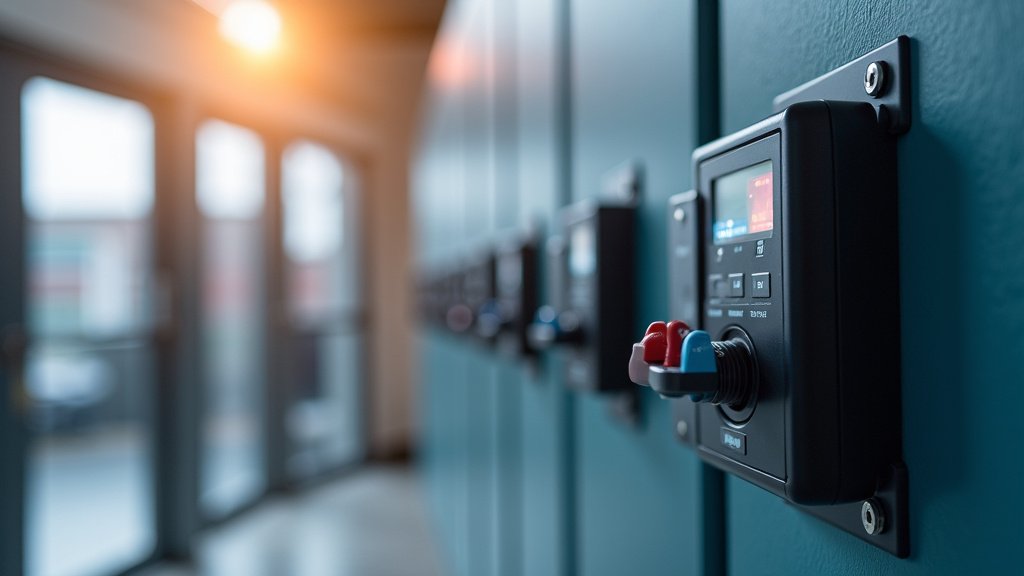
A transfer switch is a critical piece of equipment if you plan to use a generator for your home’s power. It acts as a safety gate, ensuring your home’s electrical system is completely disconnected from the utility grid before connecting to your generator.
Without this separation, you risk what’s known as “backfeed.” This is when electricity from your generator flows back into the main power lines. We found that backfeed can be extremely dangerous, even fatal, for utility workers who might be repairing lines, according to the Electrical Safety Foundation International (ESFI).
How Does a Transfer Switch Work?
Imagine your home has two main power sources: the utility company and your generator. A transfer switch ensures only one of these sources is connected to your home at any given time. Think of it like a traffic cop directing vehicles; it prevents a head-on collision of electrical currents.
When the utility power goes out, you (or the switch, if automatic) tell it to disconnect from the grid. Then, it connects your home to the generator’s power. When the grid power returns, the switch reverses the process, reconnecting you to the utility and disconnecting the generator.
Types of Transfer Switches: Manual vs. Automatic
Transfer switches come in two primary forms. Understanding the differences helps you decide which one best suits your needs and lifestyle during an outage.
Manual Transfer Switches
A manual transfer switch requires your direct involvement to operate. When the power goes out, you’ll need to physically flip a switch or press a button to shift your home’s power source. This means you must be home and awake to make the change.
Manual switches are generally more affordable to purchase and install. They are a good choice if you’re comfortable managing your power during an outage and don’t mind the hands-on approach. We found they are often paired with portable generators.
Automatic Transfer Switches (ATS)
An automatic transfer switch, as its name suggests, handles the power transfer process all by itself. When it senses a loss of utility power, it automatically starts your generator, waits for it to warm up, and then switches your home’s electrical load to the generator. When grid power returns, it switches back and shuts down the generator.
This “set it and forget it” convenience is a major benefit. You don’t have to be home or even awake for your power to come back on. ATS units are typically more expensive and are almost always used with standby (fixed) generators.
Why You Absolutely Need a Transfer Switch for Generator Use
Connecting a generator directly to your home’s electrical panel without a transfer switch is not just ill-advised; it’s illegal and incredibly dangerous. We cannot stress this enough.
The primary reason is preventing backfeed. Imagine utility workers trying to repair what they think are “dead” power lines. If your generator is feeding power back into those lines, they could be electrocuted. We found that this is a serious and preventable hazard (OSHA).
Beyond the safety of others, a transfer switch also protects your generator and appliances. It ensures a clean, controlled transfer of power, reducing the risk of surges or damage. Without it, you could easily overload circuits or harm sensitive electronics.
Is a Transfer Switch Right for Your Home?
Deciding if you need a transfer switch largely depends on your backup power strategy. Are you looking for occasional, emergency power for a few essential items, or do you want to power your entire home seamlessly?
- You use a portable generator: If you plan to power your home using a portable generator, a manual transfer switch is almost certainly necessary for safe and compliant operation.
- You have a standby generator: Standby generators are designed to work automatically, meaning an automatic transfer switch is an integral part of their system.
- You want convenience and safety: If you value safety above all else and prefer a hands-off approach during outages, a transfer switch is your best friend.
- You want to avoid extension cords: While extension cords can power a few devices, they are not a substitute for safely integrating a generator into your home’s electrical system.
Comparing Manual vs. Automatic Transfer Switches
Let’s look at a quick comparison to help you weigh your options.
| Feature | Manual Transfer Switch | Automatic Transfer Switch |
|---|---|---|
| Operation | Requires human interaction | Starts and switches automatically |
| Generator Type | Often with portable generators | Always with standby generators |
| Cost | Generally lower | Generally higher |
| Convenience | Low (requires presence) | High (no presence needed) |
| Installation | Professional installation required | Professional installation required |
| Power Restoration | Delayed until manual action | Immediate, seamless |
Installation: A Job for Professionals
We cannot overstate the importance of professional installation for any transfer switch. This is not a DIY project. Working with your home’s electrical system and potentially connecting it to a generator involves high voltages and significant risks.
A licensed electrician will ensure your transfer switch is installed correctly, safely, and up to all local electrical codes. They’ll also make sure your generator is properly sized and connected to handle the loads you intend to power.
What Happens Without a Transfer Switch?
Without a transfer switch, you face several serious problems:
- Dangerous Backfeed: As mentioned, this is the most critical risk, endangering utility workers.
- Damage to Appliances: Incorrectly connecting a generator can lead to voltage spikes or drops, damaging sensitive electronics.
- Generator Overload: You might accidentally try to power too many things, causing your generator to trip or fail.
- Fire Hazard: Improper wiring or overloaded circuits can lead to electrical fires.
- Legal and Insurance Issues: We found that connecting a generator without proper safety measures is often illegal and could void your home insurance if an incident occurs.
Making Your Decision: A Quick Checklist
To help you decide if a transfer switch is right for you, consider these points:
- Do you own a portable generator or plan to buy one?
- Do you want to avoid running extension cords all over your house?
- Is the safety of utility workers and your family a top priority?
- Are you looking for a more integrated and reliable power solution?
- Do you want to protect your home’s appliances from electrical damage?
If you answered “yes” to most of these, then a transfer switch is likely a smart and necessary investment for your home. It provides peace of mind and genuine safety during unexpected power outages.
Conclusion
You’ve now seen why a transfer switch isn’t just an accessory for your generator; it’s a critical safety device. It protects your family, utility workers, and your home’s electrical system from dangerous backfeed. Whether you choose a manual switch for your portable generator or an automatic one for a standby unit, the goal is always the same: safe, reliable backup power.
Don’t leave your home vulnerable during power outages. If you plan to connect a generator to your house, take the crucial next step and consult with a licensed electrician. They can assess your specific needs and ensure a safe, compliant installation.
Frequently Asked Questions
Is a transfer switch required by law?
Yes, in most areas, connecting a generator directly to your home’s electrical panel without a transfer switch is illegal. Local electrical codes and ordinances mandate their use to prevent backfeed, which is extremely dangerous for utility workers.
Can I install a transfer switch myself?
No, installing a transfer switch involves working with high-voltage electricity and should always be performed by a licensed and qualified electrician. Incorrect installation can lead to electrocution, fire, and severe damage to your electrical system.
How long does it take to install a transfer switch?
The installation time can vary. A professional electrician might complete a basic manual transfer switch installation in a few hours. More complex automatic transfer switch systems, especially with a new standby generator, could take a full day or longer.
Does a transfer switch work with any generator?
Most transfer switches are designed to be compatible with standard portable and standby generators. However, it’s essential to ensure the switch’s amperage rating matches or exceeds your generator’s output and your home’s electrical service panel. Your electrician will confirm compatibility.
What’s the main difference between a subpanel and a transfer switch?
While both deal with electricity, a subpanel expands your electrical circuits, acting as a secondary breaker box. A transfer switch’s primary function is to safely switch between two power sources (utility and generator) for specific circuits or your entire home, preventing them from operating simultaneously.