What Is the Difference Between a Portable Power Station and a Generator?
On this page (5 sections)
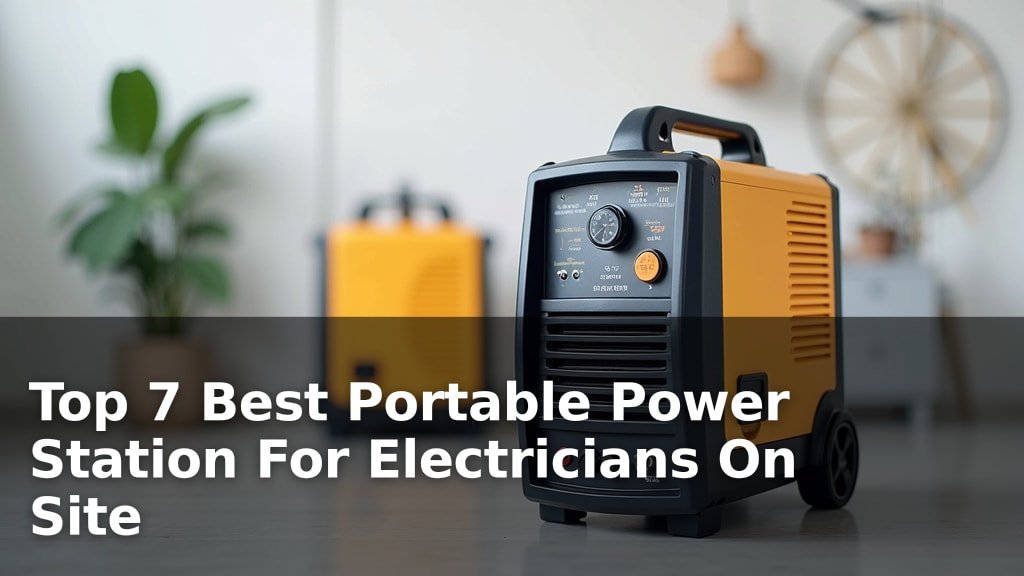
The main difference between a portable power station and a generator is their power source and how they create electricity. Portable power stations use batteries to store energy, offering quiet, emission-free operation. In contrast, generators typically burn fuel like gasoline, producing exhaust and noise.
Each device serves a distinct purpose for your power needs. We found that portable power stations are perfect for clean, on-demand power in many situations. Generators often provide more long-term, heavy-duty power for larger appliances or extended outages.
- Portable power stations run on stored battery power.
- Generators create electricity by burning fuel.
- Power stations are quiet and clean; generators are noisy with emissions.
- Power stations suit lighter, temporary needs.
- Generators handle heavier, longer-duration power demands.
Are you wondering which option is right for you? Let’s explore the key distinctions so you can make an informed choice for your home, camping trip, or emergency kit.
Understanding the Core Differences Between Portable Power Stations and Generators
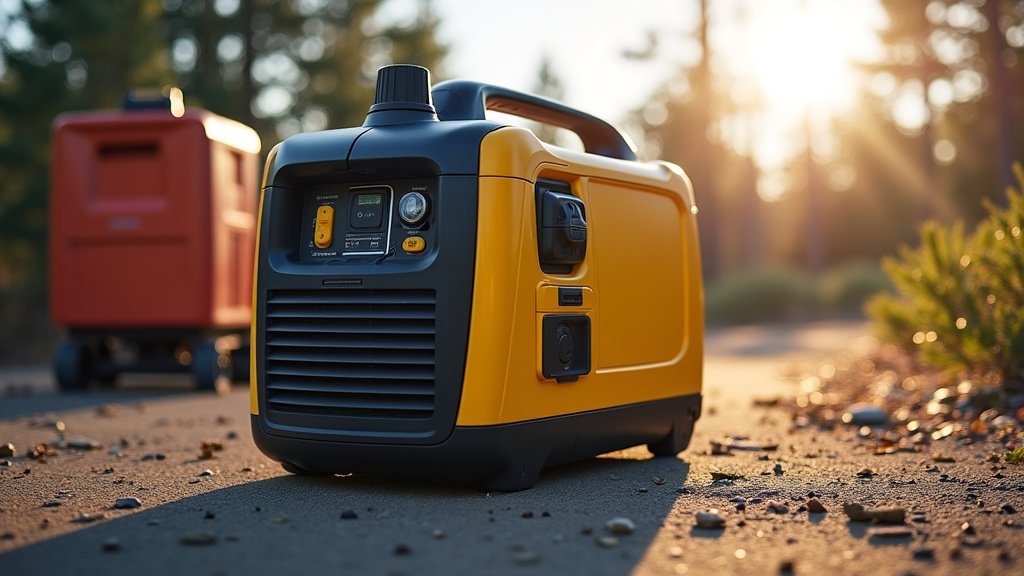
Diving deeper, the fundamental difference truly comes down to how they create and store energy. Think of a portable power station like a giant, supercharged laptop battery. It stores power in its internal battery cells and then converts it into usable AC (alternating current) or DC (direct current) electricity for your devices. A generator, on the other hand, is more like a small engine. It burns fuel to spin an alternator, which then directly produces electricity.
This distinction leads to a ripple effect of differences in performance, noise, emissions, and even where you can safely use them. We found that choosing between them often means weighing convenience against raw power output.
Power Source and Energy Conversion
Let’s break down the mechanics. Your portable power station uses advanced lithium-ion batteries, similar to what’s in your phone but much larger. When you plug something in, the stored DC power is sent through an inverter, which changes it into the AC power that most household appliances need. It’s a clean, silent process.
Generators operate on a different principle. They typically have a combustion engine that runs on gasoline, propane, or natural gas. This engine turns a device called an alternator, which generates electricity. This mechanical process is inherently louder and produces exhaust fumes.
Noise and Emissions: The Environmental Impact
One of the most immediate differences you’ll notice is the noise level. Portable power stations are virtually silent, producing only a faint hum from their cooling fans. This makes them ideal for indoor use, camping, or any situation where peace and quiet are priorities.
Generators, however, can be quite noisy. Their internal combustion engines produce significant sound, often ranging from 60 dB to over 85 dB, which is comparable to a loud conversation or even a lawnmower (CDC). This noise can be a disturbance to neighbors or wildlife, and it certainly affects the tranquility of your outdoor experience. Plus, the exhaust fumes from burning fossil fuels contain carbon monoxide, a dangerous, odorless gas, making indoor use unsafe without proper ventilation.
Fuel Requirements and Portability
Portable power stations don’t require external fuel because they run on their internal battery. You simply recharge them from a wall outlet, solar panels, or even your car’s 12V port. This makes them incredibly convenient and ready to use once charged.
Generators, by contrast, demand a constant supply of fuel. Keeping spare gasoline or propane tanks on hand is essential for extended use. Not only does this add to your logistics, but fuel storage also requires special precautions for safety. We found that the need for fuel can limit their practicality in remote areas unless you bring extra supplies.
Power Output and Capacity Considerations
When it comes to raw power, generators often have the edge. They are generally designed to handle higher wattage appliances and longer run times, especially for whole-home backup during an outage. You’ll find generators capable of powering refrigerators, air conditioners, and well pumps simultaneously.
Portable power stations typically offer lower sustained wattage and capacity. They excel at powering smaller electronics, medical devices (like CPAP machines), and small appliances for shorter durations. While larger models are emerging, generators still tend to be the go-to for situations requiring maximum power over extended periods.
Run Time and Recharging
A portable power station’s run time depends on its battery capacity and the power draw of your devices. Once depleted, you’ll need to recharge it, which can take several hours depending on the charging method. We found that many users appreciate the option of solar recharging for off-grid situations.
A generator’s run time is limited only by its fuel tank size and your ability to refuel it. With a continuous supply of fuel, a generator can run for days. However, refueling can be frequent, especially under heavy load, and it means you’re constantly monitoring fuel levels.
Where to Use Them: Practical Applications
The different characteristics of portable power stations and generators mean they each shine in specific scenarios. Understanding these practical applications can help you decide which tool best fits your lifestyle and needs. You wouldn’t use a hammer to drive a screw, right? The same logic applies here.
Portable Power Stations: Quiet, Clean Power Anywhere
Consider a portable power station your go-to for situations demanding clean, quiet, and fume-free power. We found they are excellent companions for:
- Camping and RVing: Powering lights, charging phones, running a small fan, or even a portable fridge without disturbing nature or your neighbors.
- Outdoor Events: Keeping music playing, powering projectors, or charging devices at picnics, tailgates, or outdoor film nights.
- Small Home Backup: Keeping essential devices like Wi-Fi routers, laptops, and medical equipment (like CPAP machines) running during short power outages.
- DIY Projects and Work Sites: Running power tools where an outlet isn’t available, without the noise and fumes of a traditional generator.
- Emergency Preparedness Kits: Providing a ready source of power for critical communication devices.
Their ease of use and lack of emissions make them incredibly versatile. You can even use many models safely indoors.
Generators: Heavy-Duty, Long-Term Power Solutions
Generators are built for the heavy lifting. When you need significant power for an extended period, they are often the preferred option. Think of them as your primary line of defense against prolonged power loss.
- Whole-Home Emergency Backup: Powering major appliances like refrigerators, freezers, well pumps, and even central AC during extended blackouts.
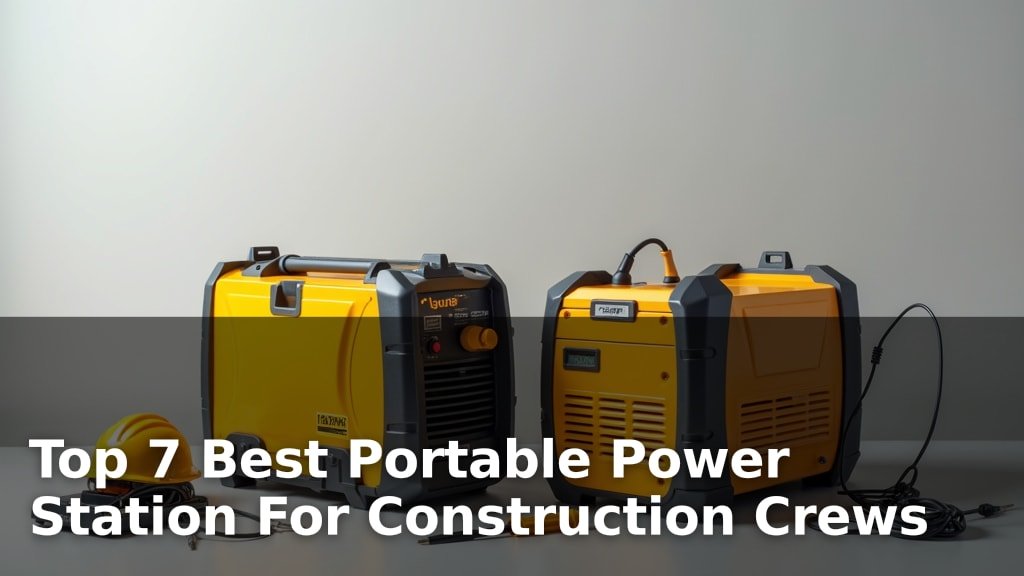
- Construction Sites: Running heavy-duty power tools, air compressors, and lighting for long hours without interruption.
- Remote Cabins or Workshops: Providing continuous power where grid electricity is unavailable.
- Large Outdoor Events: Powering sound systems, catering equipment, or extensive lighting setups.
Their robust power output means they can handle a wider array of demanding applications. Just remember the fuel, noise, and ventilation requirements!
Key Factors for Your Decision
When you’re trying to decide between a portable power station and a generator, consider a few critical factors:
- What are you powering? Small electronics vs. entire household appliances.
- How long do you need power? A few hours vs. several days.
- Where will you use it? Indoors/quiet areas vs. outdoors/ventilated spaces.
- What’s your budget? Prices vary widely for both types of devices.
- Are noise and emissions a concern? This can be a deal-breaker for many.
Thinking through these questions will quickly steer you toward the right solution. There’s no single “best” option; only the best fit for your specific needs.
Comparing Portable Power Stations and Generators Side-by-Side
Here’s a quick comparison to help you visualize the main differences we’ve discussed:
| Feature | Portable Power Station | Generator |
|---|---|---|
| Power Source | Rechargeable Battery | Gasoline, Propane, Natural Gas |
| Noise Level | Virtually Silent | Loud (60-85+ dB) |
| Emissions | Zero Emissions | Exhaust Fumes (Carbon Monoxide Risk) |
| Indoor Use | Safe to Use Indoors | Unsafe Indoors (due to fumes) |
| Recharging/Refueling | Electric Outlet, Solar, Car | Fuel Tanks (continuous refueling needed) |
| Typical Power Output | Lower Wattage, Shorter Run Time | Higher Wattage, Longer Run Time |
| Portability | Generally Lighter, Easier to Move | Heavier, Bulkier; often wheeled |
Making Your Choice: A Quick Checklist
You’re almost ready to make an informed decision! Use this checklist to guide your final thoughts:
- Will you be using it primarily indoors or in quiet areas? (Power Station)
- Do you need to power heavy-duty appliances like a refrigerator or AC unit for days? (Generator)
- Is environmental impact and noise a major concern? (Power Station)
- Are you comfortable storing and handling fossil fuels? (Generator)
- Do you prioritize a set-it-and-forget-it power source that you just recharge? (Power Station)
- Is your main concern raw power output for critical home functions? (Generator)
We routinely find that people often benefit from having both types of devices for different situations. A power station for everyday convenience and a generator for serious emergencies. It’s all about matching the tool to the task.
Conclusion
Choosing between a portable power station and a generator boils down to your specific needs and priorities. We’ve seen that power stations offer quiet, clean power perfect for sensitive electronics and indoor use, while generators provide robust, long-duration power for heavy-duty appliances outdoors. Weigh factors like noise, emissions, portability, and power output carefully. By aligning the device with your intended use, you’ll ensure you have reliable power exactly when and where you need it most. Make an informed decision to stay powered up!
Frequently Asked Questions
Can I use a portable power station to run a full-sized refrigerator?
It depends on the power station’s capacity and the refrigerator’s wattage. While some larger portable power stations can temporarily run a full-sized refrigerator, they typically won’t do so for extended periods. Generators are better suited for continuous, high-wattage appliance support.
Are portable power stations really maintenance-free?
Mostly, yes. Unlike generators that require oil changes, spark plug replacements, and fuel system maintenance, portable power stations demand very little upkeep. You generally just need to keep them charged and stored properly to maintain battery health.
How long does it take to fully recharge a portable power station?
Recharge times vary widely based on the model’s battery capacity and the charging method. We found that charging from a wall outlet can take anywhere from 2 to 10 hours. Solar charging will usually take significantly longer, depending on sun conditions and panel size.
Is it safe to store gasoline for a generator in my garage?
You can store gasoline in your garage if you follow strict safety guidelines. Use approved, sealed containers and keep them away from heat sources or anything that could spark. Proper ventilation is also crucial to prevent fume buildup.
Do portable power stations lose their charge when not in use?
Yes, all batteries experience some self-discharge over time, even when not in use. However, modern lithium-ion portable power stations have a very slow self-discharge rate. We recommend recharging them every 3-6 months if stored, to keep the battery healthy.