What Is the Difference Between Bluetti and Anker Power Stations?
On this page (5 sections)
The main difference between Bluetti and Anker power stations often comes down to specific features and target audiences, rather than one being universally “better.” Both brands offer excellent portable power solutions, but you’ll find Bluetti often focuses on higher capacity and more advanced battery tech, while Anker excels in fast charging and user-friendly design for everyday use.
Choosing between them depends on how you plan to use your power station. You can also compare Jackery and EcoFlow. Do you need to run multiple appliances off-grid for extended periods, or is quick top-ups and charging your gadgets on the go more your style? We’ve looked into what makes each brand stand out, focusing on durability, power output, and charging speeds.
- Bluetti often offers higher energy storage for longer power needs.
- Anker is known for its industry-leading fast charging technology.
- Consider your primary use case: off-grid living vs. portable charging.
- Both brands provide reliable and generally user-friendly products.
Let’s break down the key distinctions to help you decide which brand best fits your portable power needs.
Bluetti vs. Anker: Finding Your Perfect Portable Power Match
When you’re looking for a portable power station, the names Bluetti and Anker probably pop up. Both are popular choices, but they cater to slightly different needs. We’ve looked into what sets them apart. The main difference often boils down to how much power you need and how quickly you need it. Bluetti often aims for larger capacities for longer power outages. Anker tends to focus on speed and everyday convenience.
Think of it like this: do you need a generator for a weekend camping trip where you’ll be running a fridge, or do you just need to keep your phone and laptop charged while working from a coffee shop? Both brands can handle these scenarios, but one might be a better fit for your specific situation. Let’s explore their strengths.
Understanding Core Differences in Battery Technology and Capacity
The heart of any power station is its battery. This is where you’ll see some of the biggest distinctions between Bluetti and Anker. Bluetti often uses Lithium Iron Phosphate (LiFePO4) batteries. These are known for being very durable and having a long lifespan. Many sources say LiFePO4 batteries can last for thousands of charge cycles. This means they can be recharged many, many times before their capacity noticeably drops (National Renewable Energy Laboratory).
Anker also offers LiFePO4 batteries in some of their higher-end models. However, they are also well-known for using Lithium-ion batteries in many of their more portable options. These can be lighter and offer good energy density. But, LiFePO4 generally has a longer cycle life and is considered safer due to its thermal stability.
Capacity: How Much Power Can You Store?
When we talk about capacity, we’re usually looking at Watt-hours (Wh). This tells you how much energy the power station can hold. If you need to power devices for a long time or run higher-wattage appliances, you’ll want a larger Wh number.
Bluetti often shines here. They frequently offer models with very high capacities. Some of their units can go up to 2000Wh or even more. This makes them great for extended power needs, like during long camping trips or as a backup for your home during an outage. You can often run multiple devices simultaneously from these larger Bluetti units.
Anker also has high-capacity models, but they are particularly strong in the mid-range capacity space. Many of their popular power stations fall into the 200Wh to 1000Wh range. These are perfect for charging multiple gadgets, running small appliances, or providing power for a few days for essential items. For many users, these capacities are more than enough.
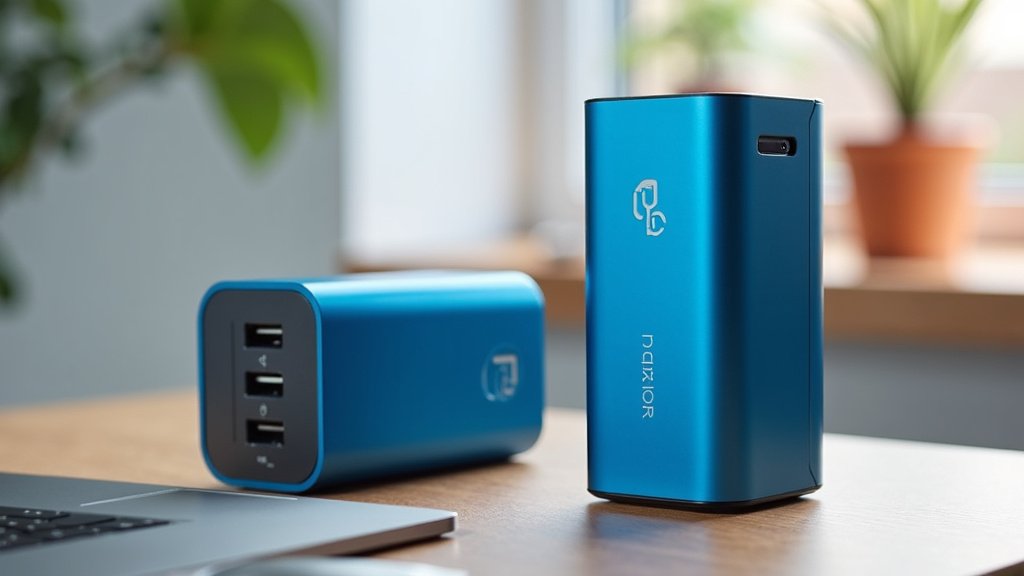
Charging Speeds: How Fast Can You Recharge?
This is where An
Conclusion
You’ve learned that both Bluetti and Anker power stations offer reliable portable power. Bluetti often leads with higher capacities for extended use and robust LiFePO4 battery tech. Anker excels in rapid charging and user-friendly designs for everyday power needs. Your best choice depends on your primary use. If long-term off-grid power or home backup is your goal, consider Bluetti’s larger units. For quick top-ups and mobile charging, Anker’s speed and convenience might be ideal. Assess your power demands to make the right decision.
Frequently Asked Questions
Which brand is better for camping: Bluetti or Anker?
For extended camping trips where you need to power multiple devices for days, Bluetti’s higher capacity models are often a better fit. If your camping is more about charging phones and cameras, Anker’s portable options can work well.
Can I use either brand for home backup during an outage?
Yes, both brands can serve as home backup. Bluetti’s larger capacity units are generally better suited for longer outages or powering more appliances. Anker’s smaller units can keep essential electronics running.
What does LiFePO4 battery technology mean for me?
LiFePO4 batteries, found in many Bluetti and some Anker models, offer a longer lifespan and are considered safer. This means your power station can be recharged thousands of times with less degradation.
Is Anker’s fast charging really that much faster?
Anker is known for its industry-leading charging speeds. This means you can often recharge their power stations much quicker than comparable models from other brands, saving you waiting time.
Which brand is more portable and lightweight?
Anker often has more compact and lightweight options that are designed for easy portability, fitting well into backpacks or briefcases. Bluetti’s higher-capacity models tend to be larger and heavier due to their greater energy storage.