What’s the Best Portable Power Station Under 500 Dollars?
On this page (7 sections)
The best portable power station under $500 is often a tough choice, but we’ve found that models like the Jackery Explorer 300 or the Anker 521 PowerHouse offer a great balance of power and price. You can expect enough capacity to charge your devices multiple times, making them perfect for camping trips or backup power during outages. They provide a reliable, eco-friendly alternative to noisy gas generators.
Choosing a portable power station involves looking at battery capacity (measured in watt-hours) and output ports. You’ll want enough juice to run your essential electronics, like phones, laptops, and even small appliances. Many units under $500 also feature fast-charging capabilities, so you’re not waiting around all day to power up.
- Look for at least 200-300 watt-hours for basic device charging.
- Ensure it has USB-C ports for modern electronics.
- Consider units with AC outlets for larger appliances.
- Check for pass-through charging if you need power while it’s recharging.
- Read reviews focusing on durability and real-world performance.
We’ve researched many options to help you make the smartest purchase. Let’s dive into which portable power stations rise to the top in this budget-friendly category.
“`htmlFinding the Top Portable Power Stations Under $500
So, you’re looking for a portable power station that won’t break the bank? Compare our portable power stations under $500 for specific picks. That’s smart! Having a reliable power source on hand is a game changer for camping, tailgating, or just having peace of mind during a power outage. You want something powerful enough for your needs but still affordable. We’ve done the digging to help you find that sweet spot.
We know that “best” can mean different things to different people. If you have a larger budget, compare power stations under $2,000. For this guide, we’re focusing on units that offer a great balance of capacity, features, and price. You’ll find options perfect for keeping your phones charged, running a laptop, or even powering some small kitchen appliances. Let’s get into what makes a power station a winner in this budget category.
Understanding Key Features of Budget-Friendly Power Stations
Before we look at specific models, let’s quickly cover what makes a power station a good buy. You’ll see terms like “watt-hours” (Wh) and “watts” (W). Think of watt-hours as the fuel tank size. The higher the Wh, the more energy it stores and the longer it can power your devices.
Watts tell you how much power the station can deliver at any given moment. A higher wattage means it can run more powerful devices, like a small fridge or a microwave. For under $500, you’ll typically find stations with capacities ranging from 200Wh to over 500Wh, and output power from 300W to 1000W.
Battery Capacity: How Much Juice Do You Need?
This is probably the most important factor. How much energy do you actually use? Consider your must-have electronics. A smartphone might need around 10-20Wh per charge, while a laptop could take 50-80Wh. A small LED light might only use 5Wh per hour.
If your goal is simply to keep your phone and tablet charged for a weekend camping trip, a 200-300Wh unit might be plenty. For longer trips or if you want to run a small fan or a CPAP machine overnight, you’ll want to aim for 400Wh or more. We found that many users prioritize having a little extra capacity, just in case.
Output Ports: Connecting Your Gear
You need to make sure the power station can actually connect to your devices. Most units under $500 will have a mix of ports:
- AC Outlets: These are like the wall outlets in your home. They’re essential for powering standard electronics like laptops, cameras, or even small kitchen appliances. Look for units with pure sine wave output; this is better for sensitive electronics.
- USB-A Ports: These are your standard USB ports. Great for charging phones, e-readers, and other USB-powered devices.
- USB-C Ports: Increasingly common and very useful. Many newer devices use USB-C for faster charging. Some USB-C ports also support Power Delivery (PD), meaning they can charge laptops and other power-hungry devices rapidly.
- 12V DC Car Port: Similar to your car’s cigarette lighter port. Useful for car fridges or other 12V accessories.
We’ve seen that having at least one or two AC outlets and a couple of USB-C ports is becoming the standard expectation for versatility.
Recharging Your Power Station: What Are Your Options?
How quickly and easily can you refill the power station’s battery? Most units can be recharged in a few ways:
- Wall Outlet: The fastest way, typically taking a few hours depending on the station’s capacity and its charger.
- Car Charger: Slower, but convenient for topping up while you’re driving.
- Solar Panels: An eco-friendly and off-grid option. This can take a while, often a full day or more, depending on the panel size and sunlight. Many power stations under $500 are compatible with solar panels, but you often have to buy them separately.
Pass-through charging is another handy feature. This means you can use the power station while it’s being recharged. It’s like having an uninterruptible power supply (UPS) for your devices. We found this capability is highly sought after for uninterrupted work or entertainment.
Top Contenders for the Best Portable Power Station Under $500
We’ve sifted through many options to highlight a few that consistently perform well in this price range. Remember, prices can fluctuate, so always check current deals!
Jackery Explorer Series (e.g., Explorer 300 / 500)
Jackery is a well-known name in the portable power world, and for good reason. Their Explorer series often hits the sweet spot for price and performance. The Explorer 300 is a popular choice for basic needs. It’s compact, relatively lightweight, and provides enough power for essential devices.
For a bit more capacity, the Explorer 500 (which sometimes dips under $500 with sales) offers significantly more juice. This makes it a more versatile option for longer trips or powering slightly larger items. We found that Jackery units are known for their user-friendly design and reliable battery performance.
Key features to look for in Jackery models under $500:
- Around 300-500Wh capacity.
- Multiple AC, USB-A, and USB-C output ports.
- Pure sine wave AC output for safety.
- Fast charging capabilities via AC adapter.
- Compatibility with solar charging (panels sold separately).
Anker PowerHouse Series (e.g., Anker 521 / 535)
Anker is another brand you likely know for its high-quality charging accessories. Their PowerHouse line brings that same reliability to portable power stations. The Anker 521 PowerHouse is often praised for its compact size and sturdy build. It’s a solid performer for charging smartphones, tablets, and laptops.
The Anker 535 PowerHouse, while sometimes pushing the $500 mark, offers a larger capacity and more robust output. It’s a fantastic option if you need to power more than just your basic gadgets. Anker often emphasizes the durability and longevity of their batteries. Many reviews highlight their excellent customer support, too.
What makes Anker a strong contender:
- Capacities typically in the 200-500Wh range for models under $500.
- A good selection of ports, including fast-charging USB-C.
- Emphasis on battery health and extended lifespan.
- Often feature a sleek, modern design.
EF ECOFLOW RIVER Series (e.g., RIVER 2)
EcoFlow’s RIVER series has gained popularity for its innovative features and speed. The RIVER 2 is a prime example, often available within budget. What stands out is its incredibly fast charging. It can go from 0% to 80% in about 30 minutes, which is a huge advantage if you need a quick top-up.
While the RIVER 2 might have a slightly lower capacity compared to some direct competitors in the same price bracket, its charging speed and X-Boost feature (which allows it to power higher-wattage devices than its rated output) make it a very attractive option. We found that for users who need power on the go and value time, this is a standout choice.
Key advantages of EcoFlow RIVER models:
- Lightning-fast AC charging times.
- Lightweight and portable designs.
- Advanced battery management systems.
- Often include Wi-Fi connectivity for app control.
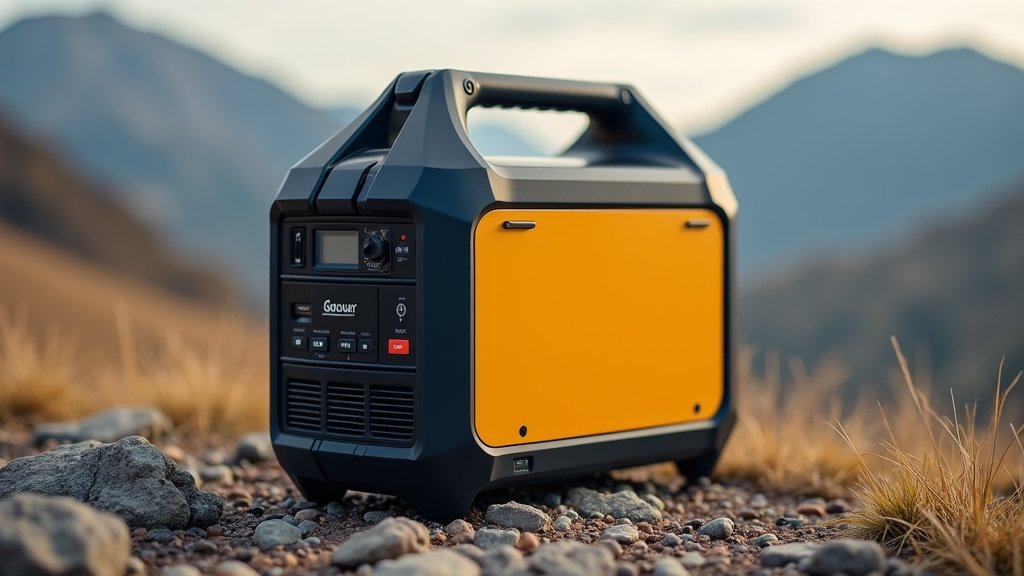
A Quick Comparison Table
To help you visualize the differences, here’s a simplified look at what you might expect:
| Feature | Jackery Explorer 300/500 | Anker 521/535 | EF ECOFLOW RIVER 2 |
|---|---|---|---|
| Typical Capacity (Wh) | 300 – 500 | 200 – 500 | 256 – 512 |
| Max AC Output (W) | 300 – 500 | 200 – 500 | 300 – 1000 (with X-Boost) |
| Fastest Recharge Time | ~5-7 hours (AC) | ~6-8 hours (AC) | ~1 hour (AC) |
| Port Variety | Good (AC, USB-A, USB-C) | Good (AC, USB-A, USB-C) | Excellent (AC, USB-A, USB-C, DC) |
| Solar Compatibility | Yes | Yes | Yes |
Making Your Final Decision: A Checklist
Ready to pick the right power station? Keep these points in mind as you review your options:
- Assess Your Power Needs: List every device you want to power and how often.
- Check Watt-Hours (Wh): Ensure the capacity meets your usage estimates.
- Verify Output Watts (W): Confirm it can handle the highest wattage device you plan to use.
- Look at Port Types: Make sure it has the right connections for your gear (especially USB-C).
- Consider Recharge Speed: How important is it for the power station to recharge quickly?
- Read Recent Reviews: See what real users say about reliability and customer service.
By following these steps, you’ll be well on your way to finding the perfect portable power station that fits your budget and your lifestyle. Happy powering!
“`Conclusion
You’ve learned that finding the best portable power station under $500 is totally achievable. We’ve seen that models from brands like Jackery, Anker, and EcoFlow offer solid performance without a huge price tag. Focus on watt-hours for capacity and check the output ports to match your devices. Consider how quickly you need to recharge and read reviews for real-world feedback.
With this information, you’re ready to make a confident purchase. Your next step is to list your essential electronics and compare them against the specifications of the top contenders. You’ll soon find the perfect portable power solution for your adventures or home backup needs.
Frequently Asked Questions
How many times can a power station under $500 charge my phone?
A typical phone battery is around 10-20Wh. Most power stations under $500 offer 200-500Wh of capacity. This means you could expect to charge your phone anywhere from 10 to 25 times on a single full charge of the power station, depending on its exact capacity.
Can I run a small refrigerator or a medical device (like a CPAP) with these budget power stations?
It depends on the specific model’s continuous wattage output. Some higher-end models under $500, like certain EcoFlow RIVER units with X-Boost, might handle small fridges or CPAP machines. Always check the wattage rating (W) to ensure it meets the continuous power draw of your appliance or medical device.
Are solar panels included with power stations under $500?
Generally, solar panels are sold separately for power stations in this price range. While many units are solar-compatible, allowing for off-grid recharging, you’ll usually need to purchase the panels as an additional item. This lets you choose the right size panel for your needs and budget.
What does “pure sine wave” mean for AC outlets, and why is it important?
A pure sine wave mimics the smooth, consistent power from your home’s wall outlets. It’s crucial for sensitive electronics like laptops, cameras, or medical equipment, as it prevents damage that can occur from the choppy power of modified sine wave inverters. Most reputable brands include pure sine wave output on their AC ports.
How long does it take to recharge a power station under $500?
Recharge times vary. Using a wall outlet, a 300-500Wh power station typically recharges in 5 to 8 hours. Some models, like the EcoFlow RIVER 2, boast much faster charging, reaching 80% in about 30 minutes. Recharging via a car adapter will take significantly longer.