The best portable power station for van life balances capacity, output, and portability. We found that the Jackery Explorer 1000 Pro is a top contender for many van dwellers. It offers reliable power without taking up too much space.
Choosing the right power station for your van home means thinking about your unique needs. You need enough power for your essential devices, but not so much that it’s too heavy. Consider what you plan to run and for how long; this helps you pick the perfect model.
- The best portable power station for van life offers a good mix of power and size.
- Look for models like the Jackery Explorer 1000 Pro for a strong, reliable choice.
- Match the power station’s capacity to your daily energy needs.
- Think about how much space you have in your van.
Below, we break down everything you need to know about picking the best portable power station for your van life adventures. Let’s find your perfect power companion.
Finding the Ideal Portable Power Station for Your Van
The right portable power station makes all the difference in your van life. It gives you freedom. Think of it as your portable wall outlet, ready to go wherever you are.
We found that matching your power needs with the station’s capabilities is key. Don’t overspend on power you don’t need, and certainly don’t undershoot your daily demand.
Understanding Your Power Needs
Before you pick a power station, let’s figure out what you actually need to power. This helps you choose wisely. What electronics do you use daily?
What Devices Will You Power?
Make a list of everything you plan to plug in. This might include your laptop, phone, camera batteries, a portable fan, or even a mini-fridge. Each device uses a certain amount of power.
Look at the wattage listed on your device’s charger or label. This number tells you how much power it draws. A typical phone charger might be 10-18 watts, while a laptop charger could be 60-100 watts.
How Long Do You Need Power?
It’s not just about what you power, but for how long. Do you charge your phone once a day, or do you run a fridge 24/7? This impacts the total capacity you need.
Capacity is measured in Watt-hours (Wh). A 1000Wh power station can theoretically run a 100-watt device for 10 hours. Simple math, right?
Key Features to Look For
Once you know your needs, you can look at features. These are the details that separate a good power station from a great one for van life.
Capacity (Watt-Hours)
This is the big one. As we mentioned, it’s how much energy the station stores. For casual users, 500-1000Wh might be enough. For those with a fridge or who work remotely, 1000-2000Wh is often better.
Don’t just pick the biggest. A larger capacity means a heavier, more expensive unit. Balance your needs with what you can realistically store and carry.
Output Ports and Wattage
What good is power if you can’t plug in your devices? Look for a variety of output ports. Most units offer AC outlets (like your home wall outlet), USB-A, USB-C, and 12V car ports.
Check the maximum wattage output. If your power station has a 1000W output, it can run devices up to 1000 watts. If you try to run a coffee maker that pulls 1200W, it won’t work.
Charging Speed and Methods
How quickly can you recharge your power station? This matters a lot in van life. Fast charging means less downtime. Look for units that can recharge in a few hours from a wall outlet.
Solar charging is also a game-changer. Many power stations pair with portable solar panels. We found this lets you stay off-grid much longer (National Renewable Energy Laboratory).
Portability and Size Considerations
You’re living in a van, so space is precious. The size and weight of your power station matter. You don’t want it taking up half your living area or being too heavy to move.
Lift it before you buy it if you can. Imagine moving it in and out of your van. Is it manageable? Handles make a big difference.
Battery Chemistry: LiFePO4 vs. NMC
This sounds technical, but it’s important. Most portable power stations use one of two main battery types: Lithium Iron Phosphate (LiFePO4) or Nickel Manganese Cobalt (NMC).
LiFePO4 batteries are known for their longer lifespan (more charge cycles) and better safety. They are also more stable in a wider range of temperatures. They tend to be a bit heavier.
NMC batteries are usually lighter and can offer higher energy density, meaning more power in a smaller package. However, they typically have fewer charge cycles than LiFePO4 batteries.
For long-term van life, many people prefer LiFePO4 for its durability and longevity. We found this is a growing trend among experienced van dwellers.
Comparing Top Portable Power Stations
There are many great options out there. It can feel overwhelming. Let’s look at what makes some stand out.
Jackery Explorer Series
Jackery is a popular brand, and for good reason. The Jackery Explorer 1000 Pro is a strong contender. It offers a good balance of capacity and portability, as mentioned earlier.
They are known for being user-friendly and reliable. Their solar panel compatibility is excellent, which is a big plus for van lifers.
Goal Zero Yeti Series
Goal Zero also makes robust power stations. The Yeti series offers a wide range of capacities. They are often built tough, designed for outdoor adventures.
They tend to be a bit pricier but offer premium features and connectivity. Many van lifers appreciate their comprehensive ecosystem of accessories.
EcoFlow RIVER and DELTA Series
EcoFlow units are gaining popularity for their fast charging speeds and innovative features. The RIVER series is more portable, while the DELTA series offers higher capacities.
Some EcoFlow models feature X-Stream technology, allowing them to charge from 0-80% in under an hour. This can be a huge benefit when you have limited time to plug in.
Checklist for Choosing Your Power Station
To help you narrow down your choice, here’s a quick checklist:
- Calculate your daily Watt-hour needs.
- Confirm the number and type of output ports.
- Check the maximum AC output wattage.
- Consider fast charging and solar input capabilities.
- Evaluate weight and dimensions for your van space.
- Decide between LiFePO4 (longevity) or NMC (lighter).
A Quick Comparison Table
Here’s a simplified view of some popular choices to help you visualize the differences. Keep in mind that specific models within these series will vary.
| Feature | Jackery Explorer 1000 Pro | Goal Zero Yeti 1000 Core | EcoFlow RIVER 2 Pro |
|---|---|---|---|
| Capacity (Wh) | 1002 | 983 | 768 |
| AC Output (W) | 1000 (2000 Peak) | 1200 (2400 Peak) | 800 (1600 Peak) |
| Battery Type | NMC | NMC | LiFePO4 |
| Weight (lbs) | 25.4 | 31.7 | 17.2 |
| Recharge Time (AC) | 1.8 hours | 9 hours | 70 minutes |
As you can see, each has its strengths. The EcoFlow, for instance, offers incredibly fast AC charging, while the Jackery balances capacity with a quicker charge than the Yeti Core.
Ultimately, the best portable power station for your van life is the one that fits your unique needs and budget. Take your time, do your research, and you’ll find your perfect power companion.
Conclusion
Choosing the best portable power station for your van life comes down to understanding your unique power needs and matching them with the right features. You’ve learned how to calculate capacity, evaluate output ports, and consider charging methods. Prioritizing portability and battery type (LiFePO4 for longevity) will ensure your power station truly enhances your adventures.
Now, with your personalized checklist in hand, you’re ready to confidently select a power station that keeps your devices charged and your journey moving forward. Take that next step and invest in the freedom of reliable power on the road!
Frequently Asked Questions
Can I run a mini-fridge off a portable power station?
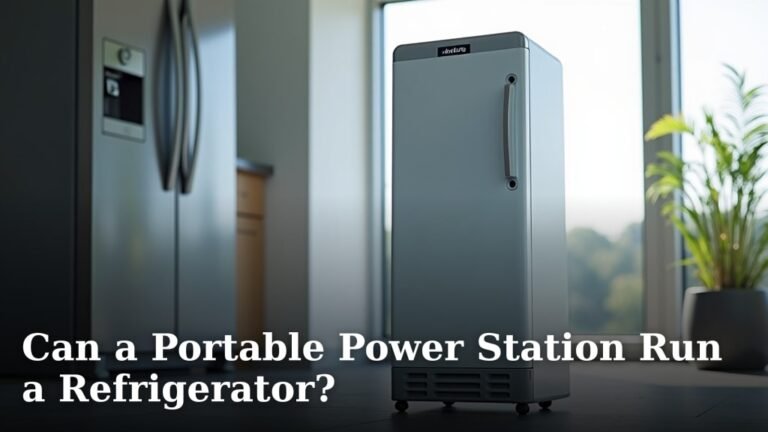
Yes, many portable power stations can power a mini-fridge. You’ll need to check the fridge’s wattage and ensure the power station’s AC output can handle it, plus have enough Wh capacity for continuous operation.
How can I extend the lifespan of my portable power station?
To extend its life, avoid fully discharging your power station regularly. Store it in a cool, dry place away from direct sunlight. Also, follow the manufacturer’s recommended charging cycles and maintenance tips.
Are all portable power stations compatible with solar panels?
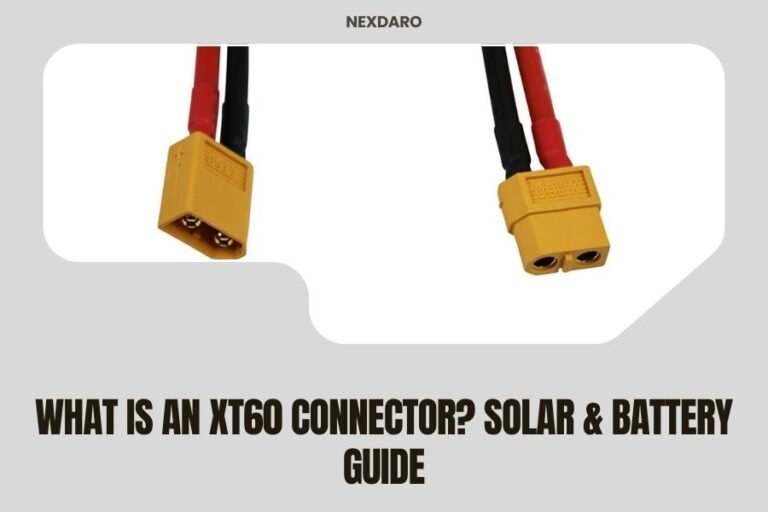
Most modern portable power stations are designed to work with solar panels. However, always check the specifications for the correct voltage, wattage input, and connector types to ensure compatibility with your chosen panels. You can learn more about how to add solar panels to your power station and ensure compatibility.
What’s the difference between Watt-hours (Wh) and Watts (W)?
Watt-hours (Wh) measure the total energy a power station can store, indicating how long it can run devices. Watts (W) measure the instantaneous power a device uses or a power station can output at any given moment.
Is it safe to charge a portable power station while using it?
Many high-quality portable power stations support “pass-through charging,” allowing you to use them while they are recharging. Always verify this feature with your specific model to prevent any potential damage or safety issues.