What Grounding Does a Powertech Power Station Require?
A Powertech power station's grounding requirements depend on its exact model and setup. Follow that model's manual for grounding, neutral bonding, and any connection to an external electrical system.
On this page (8 sections)
- What grounding requirements apply to a Powertech power station?
- Does the station need a ground rod?
- What does neutral bonding change?
- Can you connect the station to home wiring?
- Does grounding prevent short circuits or surges?
- What should you check before using a cover outdoors?
- What should you do if the manual is unclear?
- What is the safe rule for Powertech grounding requirements?
A Powertech power station's grounding requirements depend on its exact model and setup. Use the model manual to determine whether it needs an earth connection or a specific neutral-bonding arrangement, and don't add a ground rod or bonding plug based on advice for a different unit.
The word “grounding” can describe more than one thing: connecting equipment to earth, bonding neutral to ground, or connecting a station to a building's electrical system. These are not interchangeable steps.
Check the manual before changing the station's wiring or connecting it to other equipment.
What grounding requirements apply to a Powertech power station?
The applicable requirement is the one in the instructions for your exact Powertech model. The brand name alone doesn't tell you whether the unit has a floating neutral, a bonded neutral, or a required earth connection.
Find the model number on the station and match it to the manual. Check the grounding section, electrical diagrams, warnings, and instructions for each operating mode.
If you can't find a clear answer, contact Powertech support with the model number before making a connection.
Don't treat a power station like a conventional fuel generator by default. Their electrical designs and approved setups can differ, so a general generator rule may not apply to your unit.
How do you find Powertech grounding instructions?
Start with the model label and the manual supplied for that unit. If you look up instructions online, make sure the model number and revision match your station.
Look for specific wording about earth terminals, grounding conductors, neutral bonding, transfer switches, and connecting other equipment. If the instructions don't address your intended setup, ask the manufacturer or a qualified electrician rather than inferring an answer from the outlet shape.
For a general overview of the terms, see How to Properly Ground a Portable Power Station. Use that as background, while letting Powertech's model-specific instructions determine what to do.
Does the station need a ground rod?
Don't install a ground rod unless the Powertech manual or a qualified professional says your setup requires one. A ground rod is not a universal add-on for every portable power station.
An earth connection, a neutral-to-ground bond, and a connection to a building grounding system serve different roles. Adding a conductor or rod without knowing the station's design could create an unsafe or incompatible setup.
If the manual calls for an earth connection, follow its specified method and conductor requirements. If the unit has no grounding terminal or the manual doesn't describe a ground rod, don't improvise a connection to the case, an outlet, or nearby metal.
What does neutral bonding change?
Neutral bonding determines how the neutral conductor relates electrically to ground, and the correct arrangement depends on the station and the connected equipment. Don't assume that a plug-in bonding adapter is suitable.
Some devices and protective equipment expect a particular neutral arrangement to operate as intended. A mismatch can affect protection or cause a device to signal a fault.
Use only a bonding method Powertech approves for the exact model and operating mode.
The Power Station Ground Bonding: What You Need to Know guide explains the difference between grounding and bonding. It can help you understand the terms in a manual, but it can't replace the instructions for your station.
Should you use a bonding plug?
Use a bonding plug only when Powertech explicitly approves it for your model and application. A plug that works with one generator or power station may be wrong for another.
Don't test a suspected neutral-bonding issue by removing safety grounds or modifying plugs. If a connected device reports a ground fault, stop using that setup and ask Powertech or a qualified electrician to check the station and the equipment.
Can you connect the station to home wiring?
Connect a Powertech station to home wiring only through a method approved for that purpose and installed correctly. Never plug a station into a household outlet to send power back through the wiring.
A transfer switch or other fixed connection must suit the home's electrical system and local requirements. Have a qualified electrician select and install the equipment, then confirm it works with the specific station.
For stand-alone use, plug compatible devices directly into the power station as its manual allows. Don't use a homemade adapter to connect a circuit, panel, or building wiring.
Does grounding prevent short circuits or surges?
Grounding doesn't replace the station's short-circuit protections or a suitable surge protection device. Each addresses different electrical concerns, and none makes an unapproved setup safe.
Use the outlets and accessories as described in the manual. Stop using a damaged cord, plug, or device, and don't operate equipment that repeatedly trips a protection feature until you identify the cause.
If an electric fan makes unusual noise on the station, see why an electric fan makes noise on a power station.
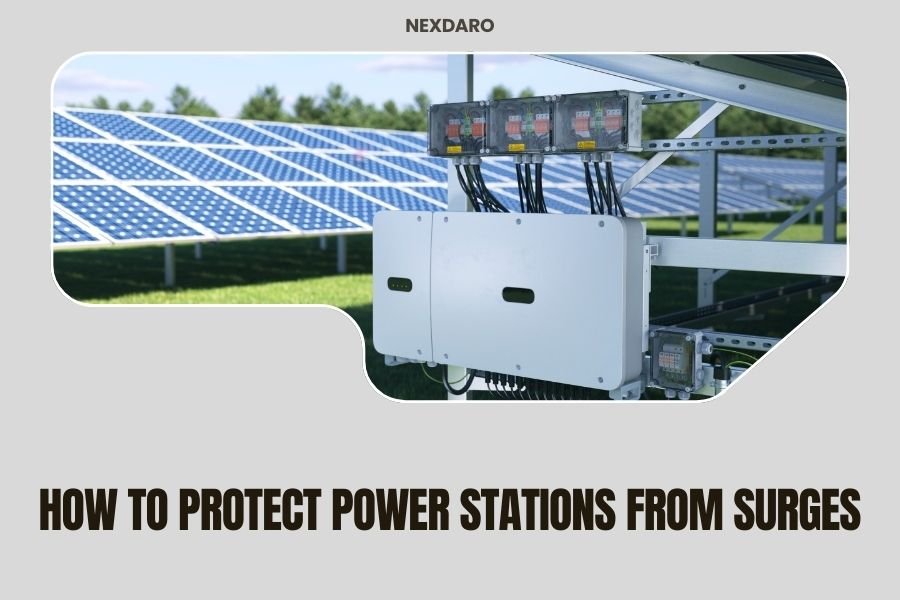
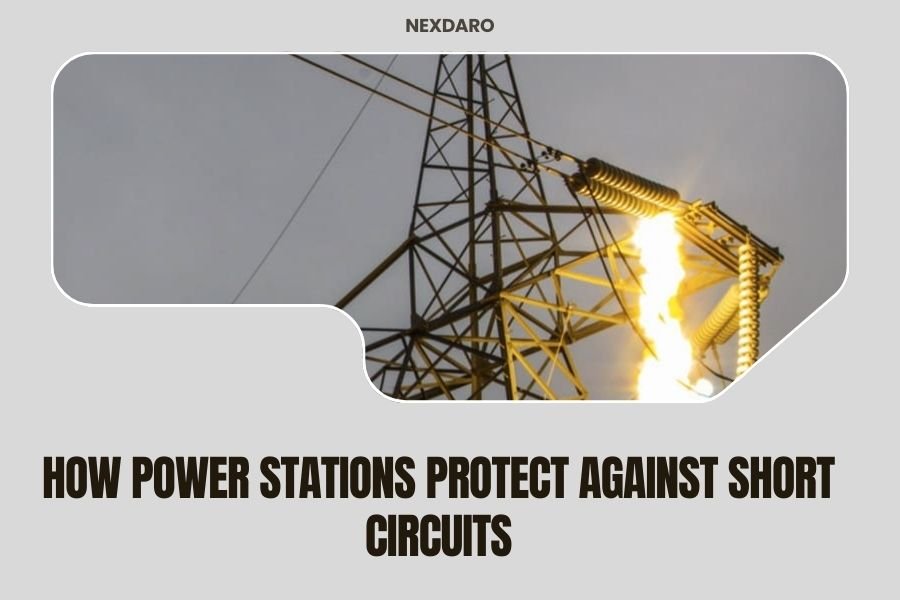
Read How Power Stations Protect Against Short Circuits for a general explanation of built-in protection. For surge-related choices, see How to Protect Power Stations from Surges, then check Powertech's instructions for compatibility.
What should you check before using a cover outdoors?
A cover must suit the equipment and its operating state. A storage cover designed for a stopped generator isn't automatically safe to use while equipment is running.
For moisture precautions, read how to protect a power station from dew.
The Westinghouse WGen cover is for transporting or storing a compatible open-frame generator, not for use while it runs. It has a drawstring fit and is made from synthetic polyester fiber.
The Porch Shield cover measures 38 x 28 x 30 in and is described for 5500W to 15000W gas or inverter generators. It has an elastic hem and bottom strap, so check the dimensions and compatibility for your equipment before choosing it.
The GenArmor enclosure is designed to cover compatible generators while running, with a metal frame and tarpaulin cover. Confirm your generator's fit and follow the enclosure's setup instructions, including its ventilation guidance.
These are generator covers, not grounding accessories for a Powertech power station. Don't use one to justify operating a power station in rain or to cover its vents, outlets, or cooling openings.
What should you do if the manual is unclear?
Pause before adding a ground wire, bonding plug, or building connection. Send Powertech support the exact model number and describe what you plan to connect.
Share the connected device's instructions if it is reporting a fault. If the setup involves a home panel, transfer switch, or fixed wiring, ask a qualified electrician to review both the station instructions and the installation.
A second person may also need a simple operating setup. Our guide to the Best Portable Power Station For Seniors covers features that can make a station easier to use.
What is the safe rule for Powertech grounding requirements?
For Powertech power station grounding requirements, identify the model, follow its manual, and don't add a ground rod or neutral bond unless the instructions call for it. Use a qualified electrician for home wiring or any setup involving a panel or transfer switch.
If the manual doesn't answer your specific question, ask Powertech before use. Store the station according to its instructions; see What Is the Best Way to Store a Power Station? for general storage practices.
Frequently asked questions
Does a Powertech power station need a ground rod?
There isn't one answer for every Powertech model. Check the manual for the exact unit and setup, including whether it calls for an earth connection or a particular grounding method.
Don't add a ground rod or change wiring based on a general rule for generators or other power stations.
Is a Powertech power station neutral bonded to ground?
Neutral bonding depends on the model and its electrical design. The manual should state whether neutral is bonded, floating, or handled another way, and whether that changes for a particular operating mode.
Don't add a bonding plug unless Powertech explicitly approves it for your model and use.
Can I connect a Powertech station to home wiring?
Only use a connection method that Powertech approves for your model, with equipment installed for that purpose. Never connect a power station to a home outlet to energize house wiring.
Have a qualified electrician handle a transfer switch or other fixed connection.
Does grounding protect a power station from surges?
Grounding and surge protection address different electrical risks, so a ground connection alone doesn't guarantee surge protection. Follow the station manual and the instructions for any surge protection device.
Keep the unit and its connections away from wet conditions unless its instructions say the setup is safe.