What Is the Best Way to Store a Power Station?
On this page (8 sections)
- Keeping Your Power Station Happy and Healthy: Storage Best Practices
- The Ideal Environment for Power Station Storage
- Battery Charge Level: The Sweet Spot for Storage
- Periodic Maintenance: What to Do During Storage
- Physical Protection: Guarding Against Damage
- Storage Checklist: Quick Reminders
- Conclusion
- Frequently Asked Questions
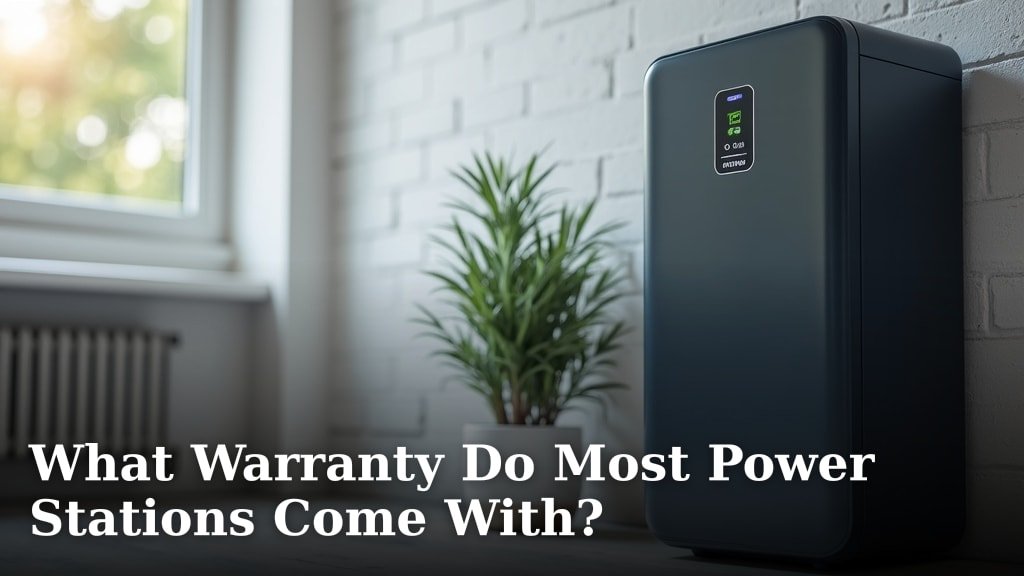
The best way to store a power station is in a cool, dry place, away from direct sunlight and extreme temperatures. Proper storage helps ensure your power station remains ready for use when you need it most. Think of it like putting your phone away for the winter; you wouldn’t leave it in the freezing garage, right?
Storing your power station correctly also means considering its battery health. Many power stations have specific recommendations for their battery percentage during storage, often around 50-80%. Keeping it fully charged or completely depleted for extended periods can sometimes shorten its lifespan. We’ve found that following the manufacturer’s guidelines is always a smart move.
- Store in a cool, dry spot.
- Avoid extreme heat or cold.
- Keep out of direct sunlight.
- Check battery charge recommendations.
- Aim for 50-80% battery for long-term storage.
Let’s walk through exactly how to give your power station the best possible home when it’s not out adventuring with you.
Keeping Your Power Station Happy and Healthy: Storage Best Practices
Storing your power station properly is key to its longevity and readiness. Think of it as tucking your trusty companion into a comfortable bed. When you take good care of it during its downtime, it’ll be much more reliable when you need it most. We’ve gathered some of the best practices to help you do just that.
The Ideal Environment for Power Station Storage
Where you put your power station when it’s not in use matters a lot. The goal is to find a place that mimics a calm, stable environment. This helps protect its sensitive components and battery from damage.
Temperature Control: Avoiding Extremes
Temperature is probably the most critical factor. Power stations, much like your car’s battery, don’t like extreme heat or cold. We found that storing them in temperatures between 50°F and 75°F (10°C and 24°C) is generally considered ideal by many manufacturers.
Why Extreme Heat is Bad
High temperatures can degrade the battery’s chemistry over time. This means it might not hold as much charge as it used to. You could see a noticeable drop in its overall capacity. Many experts agree that prolonged exposure to heat above 80°F (27°C) can accelerate this process (CDC).
Why Extreme Cold is Also Bad
On the flip side, very cold temperatures can also be detrimental. While a quick trip in a chilly car might be fine, long-term storage in a freezing garage or shed isn’t recommended. Cold can temporarily reduce battery performance, and in extreme cases, it can even cause permanent damage. We’ve seen reports suggesting that temperatures below 32°F (0°C) should be avoided for storage. It’s important to understand how cold weather can affect your power station’s performance and storage.
Humidity and Moisture: Keeping it Dry
Just as important as temperature is keeping your power station dry. Moisture is the enemy of electronics. It can lead to corrosion and short circuits, which can be difficult or impossible to repair.
The Dangers of Dampness
A damp environment can invite mold and mildew to grow on the casing and internal components. More seriously, moisture can seep into ports and connections, causing rust and electrical faults. Think about how you protect your phone from rain – the same principle applies here.
Finding a Dry Spot
Basements can sometimes be too damp. Bathrooms, while often warm, can also have high humidity. A closet in a climate-controlled part of your home is often a great choice. If you live in a very humid climate, a small dehumidifier in the storage area might be a wise investment.
Sunlight: Keep it in the Shade
Direct sunlight might seem harmless, but it can significantly impact the temperature of your power station. The dark casing can absorb heat rapidly when exposed to direct sunbeams.
The Greenhouse Effect
When sunlight hits the power station, it’s like a mini greenhouse effect. The heat gets trapped inside, raising the internal temperature. This can be just as harmful as leaving it in a hot car. We recommend storing it out of sight of any windows or direct light sources.
Battery Charge Level: The Sweet Spot for Storage
How much charge should your power station have when you put it away for a while? This is a question many users ponder, and the answer is usually not “fully charged” or “completely dead.”
Understanding Battery Degradation
Lithium-ion batteries, common in power stations, experience degradation over time regardless of use. However, how you store them can influence the rate of this degradation. Leaving a battery fully charged for extended periods can stress its internal components. Conversely, leaving it completely discharged for too long can lead to a condition called deep discharge, from which it may not recover.
The 50-80% Rule of Thumb
Many battery experts and manufacturers suggest storing lithium-ion batteries at a charge level between 50% and 80%. This range is considered the “sweet spot” because it puts less stress on the battery’s chemistry. We’ve found that aiming for around 60% is a common recommendation.
Why This Range Works
At this charge level, the internal chemical reactions are more stable. This slow down the natural degradation process. It’s like letting a car engine rest; it’s better not to keep it running at full throttle constantly, nor let it sit completely idle for too long.
Checking Your Manufacturer’s Guidelines
While the 50-80% range is a good general guideline, always check your specific power station’s manual. Some models might have slightly different optimal storage charge levels. Your manufacturer knows their product best. They might even have dedicated “storage mode” features.
Periodic Maintenance: What to Do During Storage
Even when stored, your power station might need a little attention now and then, especially for longer periods.
The Monthly Check-In
If you plan to store your power station for more than a month or two, it’s a good idea to check its battery level about once a month. Batteries naturally lose a small amount of charge over time, even when not in use. This is often referred to as self-discharge.
Recharging as Needed
If you find the battery has dropped below your target storage range (e.g., below 50%), you should recharge it back up to your preferred level. Use the manufacturer’s recommended charger for this. Don’t overcharge it; just bring it back to the optimal storage percentage.
Avoiding Deep Discharge
This monthly check helps prevent the battery from reaching a deep discharge state. Deep discharge can be very harmful and may permanently reduce the battery’s capacity. Think of it as topping off your car’s gas tank before a long trip; you don’t want to start with it empty.
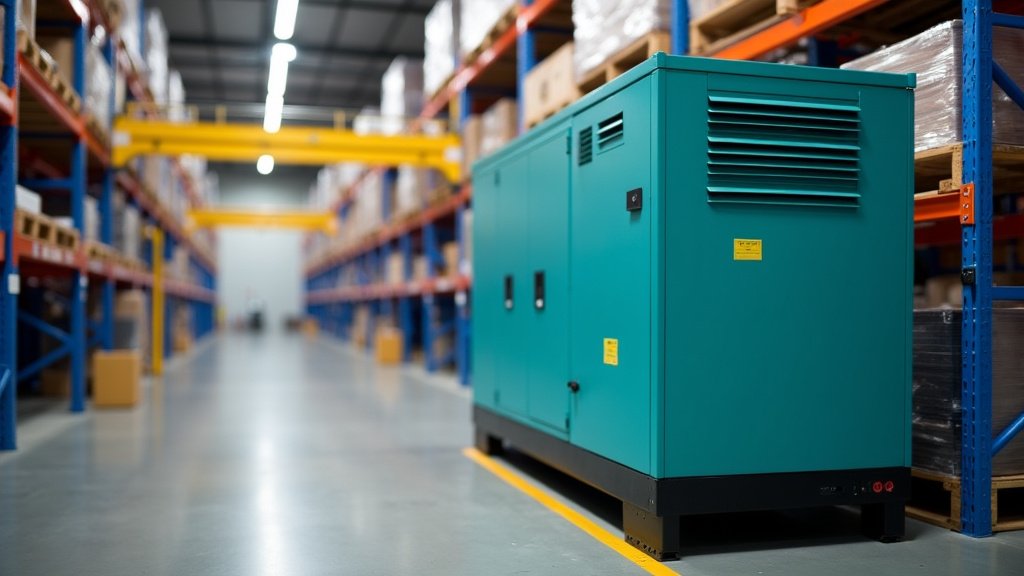
Physical Protection: Guarding Against Damage
Beyond environmental factors, consider how you physically store the unit.
Secure Placement
Make sure the power station is placed somewhere stable where it won’t be accidentally knocked over. A fall, especially from a height, could damage internal components or the battery casing.
Protective Coverings
If your power station came with a carrying case or a protective cover, use it. This adds an extra layer of defense against dust, scratches, and minor bumps. If you don’t have one, consider using a clean, old blanket or a sturdy cardboard box to protect it.
Storage Checklist: Quick Reminders
Here’s a quick rundown to make sure you’ve covered all the bases:
- Environment Check: Is the storage location cool and dry?
- Temperature Test: Are temperatures consistently between 50-75°F (10-24°C)?
- Sunlight Blocked: Is the unit out of direct sunlight?
- Battery Level: Is the charge between 50% and 80%?
- Physical Security: Is it placed on a stable surface, protected from bumps?
- Moisture Barrier: Is there any sign of dampness or condensation?
Conclusion
You’ve learned that storing your power station correctly is more than just finding a spare spot. It’s about preserving its battery life and ensuring it’s ready when adventure calls. Remember to always choose a cool, dry location away from direct sun and extreme temperatures. Regularly checking the battery level and keeping it within that 50-80% sweet spot will help maintain its performance over time. Taking these simple steps now will make sure your power station is a reliable companion for years to come.
Frequently Asked Questions
How often should I check my power station’s battery when it’s stored?
If you’re storing your power station for over a month, we suggest checking its battery level about once a month. Batteries naturally lose a small amount of charge over time, even when not in use. This simple check helps prevent the battery from dropping too low.
Can I leave my power station plugged in while in storage?
Generally, it’s best to avoid leaving your power station plugged in constantly during long-term storage. While some modern units have trickle-charging features, it’s often recommended to store them at the optimal charge level (50-80%) and unplugged. Overcharging can sometimes stress the battery.
What if my storage location isn’t perfectly temperature-controlled?
If you can’t maintain the ideal 50-75°F (10-24°C), do your best to keep it away from the extremes. Avoid garages that get very hot in summer or freeze in winter, and keep it out of direct sunlight, which can significantly heat up the unit. Finding the most stable spot available is your goal.
Is it okay to store my power station in its original box?
Storing your power station in its original box can be a good idea if the box offers adequate protection and is itself stored in a suitable environment. Ensure the box isn’t in a damp area or direct sunlight. The box can help protect it from dust and minor bumps.
Will storing my power station outside of its recommended battery range permanently damage it?
Storing your power station outside the recommended battery range for short periods usually won’t cause permanent damage. However, consistent storage at very high or very low charge levels for extended durations can accelerate battery degradation and reduce its overall lifespan. Aiming for the 50-80% range whenever possible is the best practice.