How to Store a Portable Power Station Long Term?
On this page (7 sections)
Storing your portable power station long-term is quite simple if you follow a few key steps. The most important thing is to keep the battery charged between 40% and 80%, ideally around 50-60%. You should also store it in a cool, dry place. Doing this will help prevent battery degradation and ensure your power station is ready when you need it most.
When it comes to long-term storage, think of it like putting a car away for the winter. You wouldn’t just leave it sitting in the cold with a dead battery, right? Keeping the battery at a moderate charge level and avoiding extreme temperatures are the most critical factors for preserving its lifespan. Many experts agree that proper storage can significantly extend your power station’s usable life.
- Keep battery charged between 40-80%.
- Store in a cool, dry environment.
- Avoid extreme heat or cold.
- Charge it up a bit every few months.
- Check on it periodically.
Ready to make sure your power station lasts for years to come? Let’s get into the specifics of how to store it properly.
Safeguarding Your Portable Power Station for the Long Haul
Storing your portable power station correctly ensures it’s ready when you need it most. You wouldn’t want to pull it out for an emergency and find it dead or malfunctioning. Proper long-term storage is all about protecting its internal battery. This guide will walk you through the best practices to keep your power station in top shape.
Understanding Battery Health and Storage
Portable power stations rely on lithium-ion batteries. Like any battery, they degrade over time. This degradation is accelerated by certain storage conditions. You want to minimize stress on the battery while it’s not in use. Research shows that extreme temperatures and improper charge levels are the biggest culprits in reducing battery lifespan.
The Ideal Charge Level for Storage
The absolute most important factor for long-term storage is the battery’s charge level. Leaving a lithium-ion battery fully charged or completely depleted for extended periods is damaging. We found that keeping the battery between 40% and 80% is best. Many manufacturers recommend charging to around 50-60% for optimal results. This moderate charge reduces internal stress on the battery cells. Think of it like keeping your phone battery between 40% and 80% for daily use – it helps it last longer.
Why Extreme Temperatures Are the Enemy
Your power station’s battery is sensitive to heat and cold. Extreme heat can cause chemical reactions within the battery to speed up. For more on overheating and fire risk, read our portable power station fire safety guide. This leads to a faster rate of degradation. Conversely, very cold temperatures can reduce the battery’s efficiency. It might even cause damage if stored while depleted. Many guidelines suggest a temperature range similar to what you’d find comfortable indoors.
Preparing Your Power Station for Storage
Before you tuck your power station away, a little preparation goes a long way. This involves checking its current charge and making any necessary adjustments. It’s also a good time to give the unit a quick clean.
Step 1: Adjust the Battery Charge
First, check the current battery percentage on your power station’s display. If it’s below 40%, charge it up to your target range of 50-60%. If it’s above 80%, discharge it slightly. You can do this by plugging in a small device, like a phone or a lamp, until the battery drops into the ideal range. Aim for the middle of the spectrum for the best outcome. This step is absolutely critical for longevity.
Step 2: Clean the Unit
Before storing, wipe down the exterior of your power station. Use a dry or slightly damp cloth. Remove any dust, dirt, or grime. Ensure the ports are free of debris. A clean unit is less likely to attract pests and is easier to handle when you retrieve it. This simple step also helps keep your equipment looking its best.
Choosing the Right Storage Location
Where you store your power station is just as vital as its charge level. The environment plays a significant role in preventing damage and maintaining battery health. If you plan to use a garage, learn how to store a power station there safely.
Ideal Storage Environment: Cool and Dry
The best place to store your power station is a location that is consistently cool and dry. This means avoiding places with large temperature fluctuations. Think of a climate-controlled storage unit, a closet inside your house, or a basement that doesn’t get too damp or hot. Research points to stable, moderate temperatures being the sweet spot for battery preservation. Room temperature is generally quite good.
Locations to AVOID
You should absolutely avoid storing your power station in places that experience extreme conditions. This includes:
- Attics: They can get incredibly hot in the summer.
- Uninsulated Garages: Temperatures can swing wildly between seasons.
- Sheds: Similar to garages, they offer little climate control.
- Direct Sunlight: Never leave it where the sun can beat down on it.
- Humid Basements: Excessive moisture can damage electronics.
These environments can rapidly degrade the battery and potentially harm the power station’s internal components. Keeping it out of harsh elements is key.
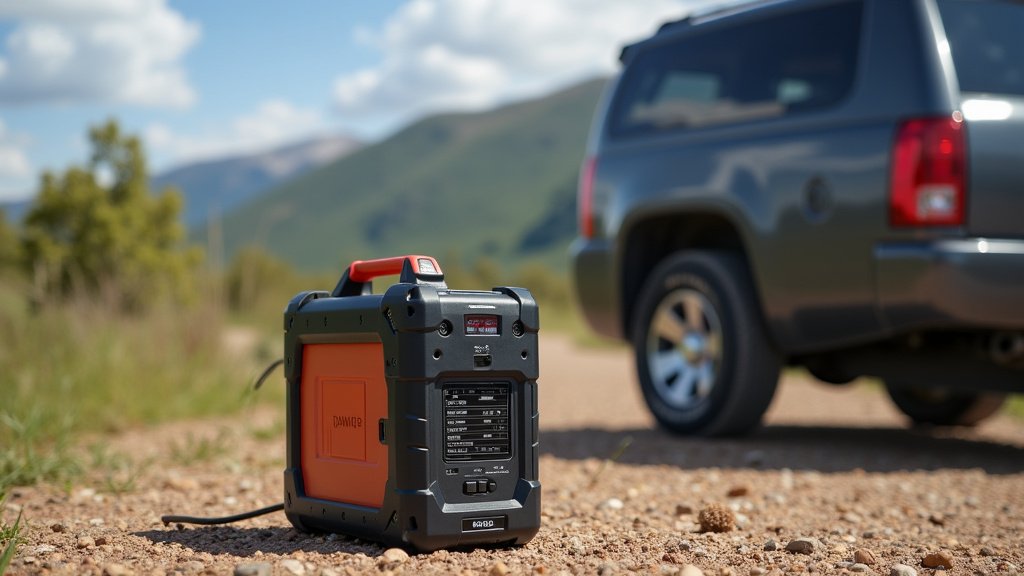
Periodic Check-ups and Recharging
Long-term storage doesn’t mean “set it and forget it.” You’ll need to check on your power station occasionally. This ensures everything is still on track.
How Often Should You Check?
We found that checking your power station every 3 to 6 months is a good rule of thumb. This frequency allows you to catch any issues before they become serious. For example, if the battery has slowly self-discharged below the safe threshold, you’ll be able to intervene.
Performing a Top-Up Charge
During your periodic check-ups, measure the battery level again. If it has dropped below 40%, it’s time for a top-up. Plug the power station in and charge it back up to your preferred 50-60% range. Don’t charge it to 100%. Overcharging, even for a short period, isn’t ideal for long-term storage. Then, disconnect it and place it back in its storage spot.
A Quick Checklist for Storage Success
To make it easy, here’s a quick rundown of what to do:
- Assess Charge: Check the battery level.
- Adjust to 50-60%: Charge or discharge as needed.
- Clean Exterior: Wipe down the unit.
- Select Location: Choose a cool, dry, stable spot.
- Avoid Extremes: Steer clear of heat, cold, and humidity.
- Schedule Check-ins: Mark your calendar for every 3-6 months.
Following these steps ensures your power station remains a reliable energy source for whenever you need it.
Conclusion
Taking care of your portable power station for long-term storage is straightforward when you follow these guidelines. Remember, the key is to keep the battery at a moderate charge level, ideally between 50% and 60%. Always store it in a cool, dry place away from temperature extremes. By performing periodic checks and simple top-up charges every few months, you’ll ensure your power station is ready and reliable for years to come. Make this process a part of your routine, and you’ll protect your investment.
Frequently Asked Questions
How long can I store my power station if I follow these steps?
With proper long-term storage, you can significantly extend the usable life of your power station’s battery. Research suggests that batteries can maintain their capacity for much longer when stored correctly. This means it should be ready to go when you need it, even after months or a year of sitting on the shelf.
What happens if I accidentally leave it fully charged or dead for storage?
Leaving a lithium-ion battery fully charged or completely depleted for extended periods can cause irreversible battery degradation. This means the battery might not hold as much charge as it used to, or its overall lifespan could be shortened. It’s always better to adjust the charge level before storage.
Can I store my power station in my car’s trunk year-round?
Storing your power station in a car’s trunk is generally not recommended for long-term use. Car trunks can experience extreme temperature fluctuations, becoming very hot in the summer and very cold in the winter. These temperature extremes are bad for battery health.
Do I need to use a special charger for periodic top-ups?
No, you should use the original charger that came with your portable power station. It’s designed to safely charge your specific unit. Just plug it in until the battery reaches your target range of 50-60%, then unplug it. Avoid charging it to 100% for storage.
What should I do if I find it’s too low on charge during a check-up?
If you check your power station during a routine inspection and find the battery level below 40%, it’s time for a top-up. Simply plug it in using its original charger and charge it to the ideal 50-60% range. Then, disconnect it and return it to its cool, dry storage location.