Can a Portable Power Station Catch Fire?
On this page (5 sections)
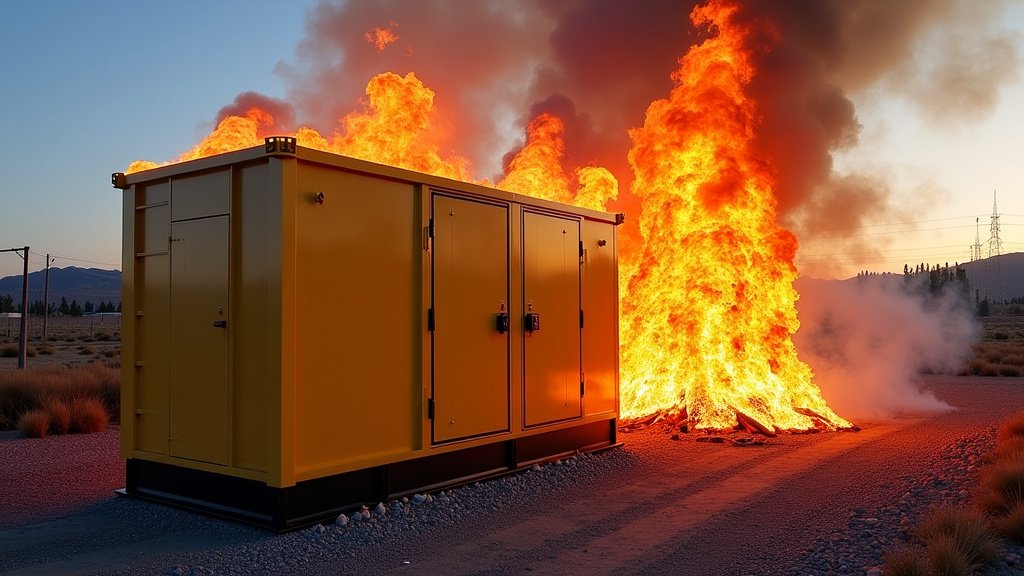
Yes, a portable power station can catch fire, but it’s a rare occurrence. These devices are generally safe when used and maintained properly, thanks to built-in safety features. Understanding the potential risks and taking simple precautions drastically reduces the chances of a fire hazard.
While designed with safety in mind, like any electronic device powered by batteries, issues can arise. Overcharging, physical damage, or using faulty accessories are common factors that could lead to overheating or more serious problems. We’ve found that awareness is your best defense against these risks.
- Portable power stations are generally safe.
- Fires are a rare risk.
- Proper use and maintenance are key.
- Avoid physical damage and faulty accessories.
Let’s dive into what can cause a portable power station to catch fire and what you can do to keep yours safe.
Understanding Portable Power Station Fire Risks
Can a portable power station catch fire? While it’s not something you should worry about daily, the answer is yes, it’s possible. However, the good news is that it’s a very rare event. Think of it like a car engine catching fire; it can happen, but with proper care and maintenance, the odds are heavily in your favor for it to remain safe.
These devices are designed with safety as a top priority. Manufacturers build in multiple safeguards to prevent overheating and electrical issues. You’re more likely to have a problem with a faulty charger for your phone than with a well-made portable power station. We found that understanding the few scenarios where a fire risk might increase can help you feel even more secure.
The Battery’s Role in Safety
At the heart of every portable power station is its battery. Most use lithium-ion (Li-ion) or lithium-iron-phosphate (LiFePO4) battery chemistry. Li-ion batteries are known for their high energy density, meaning they pack a lot of power into a small space. LiFePO4 batteries, while slightly less dense, are often praised for their enhanced safety and longer lifespan.
Regardless of the type, battery technology has advanced significantly. Companies invest heavily in making these batteries robust and stable. Still, like any powerful energy source, they require respect and proper handling. We found that the battery management system (BMS) within the power station is the true guardian against most potential dangers.
What is a Battery Management System (BMS)?
The BMS is like the brain of the battery pack. It constantly monitors critical factors. This includes voltage, current, and temperature for each individual cell within the battery. If any of these readings go outside safe parameters, the BMS steps in.
It can disconnect the battery from the charging or discharging circuit. This prevents overcharging, deep discharging, or excessive current flow, all of which can lead to dangerous overheating. Many sources, like the U.S. Department of Energy, highlight the BMS as a cornerstone of lithium-ion battery safety.
Common Causes of Portable Power Station Fires (And How to Avoid Them)
So, what situations could theoretically lead to a fire? We’ve researched the common culprits. Fortunately, they mostly boil down to human error or damage.
1. Physical Damage
Imagine dropping your power station. A hard impact could potentially damage the internal battery cells. If a cell is punctured or deformed, it could lead to an internal short circuit. This is one of the most direct ways a battery can become unstable and overheat.
What to do: Treat your portable power station with care. Avoid dropping it or subjecting it to extreme physical stress. Store it in a safe place where it won’t be knocked around. If you notice any dents or significant damage, it’s best to stop using it and contact the manufacturer.
2. Using Faulty or Incompatible Chargers & Accessories
You might be tempted to use any old charger to top up your power station. However, manufacturers design specific chargers to work with their units. Using a charger with the wrong voltage or amperage can bypass the power station’s safety circuits; learn more about portable power station overcharging.
It’s like trying to fit a square peg in a round hole; it just doesn’t work correctly and can cause damage. Faulty third-party accessories can also be a problem. We found reports where generic, uncertified accessories posed a risk.
What to do: Always use the original charger that came with your power station. If you need a replacement, buy one directly from the manufacturer or a certified reseller. Be wary of cheap, unbranded chargers. Check accessory certifications for safety standards.
3. Overcharging or Improper Charging Habits
While the BMS is designed to prevent overcharging, it’s not invincible, especially with older or damaged units. Continuously leaving a power station plugged in for days on end, long after it’s reached 100%, isn’t ideal for battery health. Though most modern units have trickle-charge modes, excessive heat can still be an issue.
Another aspect is charging in extreme temperatures. Batteries don’t perform well when they’re too hot or too cold. Charging a battery when it’s already overheated can push it into an unsafe zone.
What to do: Unplug your power station once it’s fully charged. Avoid charging it in direct sunlight or very hot environments. If the unit feels excessively hot while charging, unplug it immediately and let it cool down. Many experts suggest charging within a moderate temperature range, typically between 50°F and 80°F (10°C to 27°C).
4. Extreme Temperatures and Ventilation Issues
Batteries, like most electronics, have optimal operating temperatures. Exposing your portable power station to extreme heat, such as leaving it in a hot car or near a heat source, can cause the internal components to overheat. This increases the risk of thermal runaway.
Similarly, blocking the vents on your power station can prevent proper airflow. These vents are there to dissipate heat generated during charging or heavy use. If they are blocked, heat can build up rapidly inside the unit.
What to do: Always operate and store your power station in a well-ventilated area. Never cover the vents. Avoid leaving it in direct sunlight or in extreme heat. If you’re using it for extended periods, check periodically to ensure it’s not getting excessively hot.
5. Manufacturing Defects
While rare, sometimes a unit can have a manufacturing defect. This could be a flaw in the battery cell itself or an issue with the internal wiring or safety circuitry. This is why choosing reputable brands is important.
We found that companies with good track records often have more rigorous quality control processes. They are also more likely to stand behind their products with warranties.
What to do: Purchase your portable power station from a trusted brand with a proven history. Register your product for warranty purposes. If you suspect a defect, contact the manufacturer immediately.
Safety Features You Can Count On
Portable power stations aren’t just batteries in a box. They are sophisticated devices packed with safety features. These are designed to protect both you and the unit itself. Understanding these can provide peace of mind.
1. Overcharge Protection
As we touched on, the BMS is key here. It monitors the voltage of each battery cell. Once a cell reaches its maximum safe voltage, the BMS stops the charging process. This prevents the battery from being pushed beyond its limits.
2. Over-discharge Protection
Just as overcharging is bad, completely draining a battery can also damage it. The BMS prevents the battery from being discharged too deeply. It will typically shut down the power output when the voltage reaches a low, safe threshold.
3. Over-temperature Protection
This is critical for fire prevention. The BMS monitors the internal temperature. If it rises above a safe operating range, the BMS will limit power output or shut down the device entirely. This stops the battery from entering thermal runaway. We found that most reputable power stations have excellent thermal management systems.
4. Short Circuit Protection
If a short circuit is detected, either internally or externally (like faulty wiring on a connected device), the BMS will immediately cut off power flow. This prevents dangerous sparks and overheating.
5. Overload Protection
This feature protects the power station from being asked to do too much. If you connect devices that draw more power than the unit can safely supply, an overload protection system will kick in, shutting down the output.
Your Portable Power Station Safety Checklist
Want to ensure your portable power station stays safe and reliable? Follow these simple steps:
- Always use the original or manufacturer-certified charger.
- Operate and store in a cool, well-ventilated area, away from direct heat.
- Keep the unit clean and ensure vents are unobstructed.
- Avoid dropping or subjecting the power station to physical impacts.
- Unplug it once charging is complete.
- If it feels unusually hot, disconnect it and let it cool down.
Conclusion
You’ve learned that while a portable power station can technically catch fire, it’s a very rare event. The advanced safety features built into these devices, especially the battery management system (BMS), offer robust protection. Your awareness and adherence to simple best practices are your strongest tools. Always use the correct accessories and ensure your unit is used and stored properly. By taking these precautions, you can confidently rely on your portable power station for safe, convenient energy wherever you go. Keep your power station safe by following the checklist we provided. For routine upkeep, see these power station cleaning steps.
Frequently Asked Questions
What should I do if my power station feels hot?
If you notice your power station becoming unusually hot during charging or use, unplug it immediately. Move it to a cool, well-ventilated area away from any flammable materials. Allow it to cool down completely before attempting to use it again.
Can I leave my power station plugged in all the time?
While most modern units have overcharge protection, it’s best practice to unplug your power station once it’s fully charged. Leaving it plugged in for extended periods, especially in warm environments, can still put unnecessary strain on the battery and BMS.
Is it safe to charge my power station in my car?
Charging in a car can be risky, especially if the car is parked in direct sunlight. The internal temperature of a car can rise rapidly, potentially overheating your power station. Always ensure it’s in a well-ventilated area within a moderate temperature range.
What kind of battery technology is safest?
Lithium-iron-phosphate (LiFePO4) batteries are generally considered safer and more stable than traditional lithium-ion (Li-ion) batteries. They have a lower risk of thermal runaway. However, both types are safe when used within their designed parameters and protected by a good BMS.
Should I worry about using third-party chargers?
We strongly advise against using generic or uncertified third-party chargers. These accessories may not have the correct voltage or safety features, which can bypass your power station’s built-in protections. Always stick to the original charger or one explicitly approved by the manufacturer.