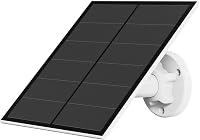
How Much Power Can an 80W Solar Panel Deliver?
An 80W solar panel can deliver up to 80 watts in ideal test conditions, but real charging output is usually lower. For a rough estimate, multiply 80 watts by peak sun hours, then reduce the result for losses and your device's input limit.
On this page (6 sections)
- What does maximum solar energy input mean for an 80W solar panel?
- How much energy can an 80W panel make in a day?
- Why might an 80W panel deliver less than 80 watts?
- How do you estimate usable charging output?
- What should you check before pairing a panel with a battery or power station?
- Is an 80W solar panel enough for your needs?
An 80W solar panel can deliver up to 80 watts at its rated peak, but useful charging power is often lower in everyday sun. To estimate daily energy, multiply 80 watts by your location's peak sun hours, then account for shade, angle, heat, wiring, and conversion losses.
For example, 4 peak sun hours gives an ideal estimate of 320 watt-hours before losses. That is an energy estimate, not a promise that the panel will hold 80 watts for four clock hours.
What does maximum solar energy input mean for an 80W solar panel?
Maximum solar energy input usually refers to the panel's rated power, 80 watts, under standard test conditions. It describes a peak rate of energy production, not the total energy the panel makes in a day.
Watts measure power at a moment. Watt-hours measure energy over time, so an 80W panel producing an average of 40 watts for 5 hours would generate about 200 watt-hours before downstream losses.
A power station's maximum solar input is a separate limit. If the station accepts only 60 watts, it may cap the panel's input even when the panel could produce more; if it accepts less, the panel may not work correctly at all.
For a broader explanation of those limits, see Solar Panel Wattage vs. Input Limits Explained.
The right panel also depends on the controller and battery setup, as covered in which solar panel is best.
How much energy can an 80W panel make in a day?
Use 80 watts multiplied by peak sun hours as a first estimate. Peak sun hours represent equivalent hours of strong sun, not all the daylight between sunrise and sunset.
| Peak sun hours | Ideal energy from an 80W panel |
|---|---|
| 2 hours | 160 Wh |
| 3 hours | 240 Wh |
| 4 hours | 320 Wh |
| 5 hours | 400 Wh |
These figures assume the panel produces its full rated output during each peak sun hour. Real daily output will be lower when the panel isn't aimed well, gets shaded, runs hot, or loses energy through cables and charging equipment.
Use the estimate to compare needs, not to promise a full battery recharge. A device may also limit how much power it accepts, even if sunlight and the panel could supply more.
Is 320 watt-hours a realistic daily estimate for an 80W panel?
It can be a useful planning estimate if your site gets about 4 peak sun hours, but it is an ideal figure before losses. A practical result depends on your weather, season, setup, and charging equipment.
If you need to run a larger load, compare the calculation with what a 200 watt solar panel can power. A 200W panel starts with more rated capacity, though it still depends on sun and input limits.
Why might an 80W panel deliver less than 80 watts?
Shade, poor angle, heat, and system limits can all cut output. The panel's rating is a reference point, while your setup determines how much power reaches the battery or device.
Even a partial shadow can reduce production, depending on which cells are covered and how the panel is wired. Keep the surface clear and position it where nearby trees, roof edges, or equipment won't shade it.
Panel angle matters because sunlight delivers more energy when it strikes the panel directly. Our guide to how to angle a solar panel for maximum charging explains how to adjust it through the day.
Heat can also lower panel output compared with test conditions. See 100W solar panel temperature for more on panel heat.
Long cables, loose connections, and a controller or power station with a lower input cap can reduce the energy that reaches the battery.
Does panel type change usable output?
Panel type affects how a panel fits your space and setup, while actual output still depends on conditions. Monocrystalline cells are used in several options below, but a material label alone doesn't predict a full day's energy.
Compare flexibility, mounting, portability, and the surface area available before choosing. This guide to which solar panel type is better can help you match a panel style to your use.
How do you estimate usable charging output?
Start with rated watts times peak sun hours, then subtract system losses and check the device limit. This gives you a more useful planning number than assuming the panel will produce 80 watts continuously.
Use this simple sequence:
- Find the typical peak sun hours for your location and season.
- Multiply that number by 80 watts to estimate ideal watt-hours.
- Reduce the estimate for shade, angle, heat, cable length, and conversion losses.
- Check the charge controller or power station input limit.
- Compare the remaining energy with the battery capacity or device's daily use.
For instance, 4 peak sun hours gives 320 Wh as an ideal starting point. If conditions or equipment reduce output, the usable amount will be lower; don't treat any single loss percentage as universal.
Battery voltage and charging behavior matter too. A 12V battery system needs a compatible charge controller, and a power station must accept the panel's voltage and connector.
Which small panels suit a specific charging job?
Choose a panel based on the device and charging role, not only its watt rating. For an appliance example, see slow cooker on solar panels.
A small trickle maintainer, camera panel, and portable power station panel serve different needs.
The SOLPERK kit is a 20W panel with a 10A smart MPPT controller and an adjustable mounting bracket for maintaining compatible 12V rechargeable batteries.
The YCTechCam panel is rated 5W and connects to compatible rechargeable security cameras through Micro USB or USB-C. Its compatibility notes exclude several camera brands, so check your camera model and port before choosing it.
For a portable power station, the ZOUPW foldable panel is rated 100W and includes a multi-connector cable. Its stated 100W rating is higher than an 80W panel, but the station's input limit still controls how much it can use.
If the goal is a low-power vehicle battery maintainer, see best dashboard solar panel for slow charge. A dashboard panel serves a different role from an 80W panel intended to provide more charging energy.
What should you check before pairing a panel with a battery or power station?
Match the panel's electrical output to the device's allowed input range. A panel with enough watts can still be a poor fit if its voltage, connector, or controller does not suit the battery or power station.
Check the device manual for its solar input voltage range, maximum input watts, and connector requirements. If your panel uses MC4 ends, compare MC4 to DC barrel adapters.
For battery charging, use a compatible controller and follow the battery maker's charging instructions.
The panel may deliver less than its rated watts, but that does not make input compatibility optional. Don't connect a panel if its voltage falls outside the device's accepted range.
Is an 80W solar panel enough for your needs?
An 80W panel can suit modest charging needs when you have good sun and compatible equipment. Estimate daily energy from peak sun hours, then leave room for weather and system losses.
Pick an 80W panel if your expected energy use is small and you can keep it in full sun. Consider a larger panel if you need more daily energy or have short winter days, and check the input limit before buying.
For more output, a 100W panel such as the ZOUPW option offers a higher rated ceiling, but it won't guarantee a specific charging time. For another 100W option, see the Jackery SolarSaga 100W panel review.
The useful decision is to compare your energy needs, available sun, and device limits before choosing a panel.
Frequently asked questions
How many watt-hours can an 80W solar panel produce in a day?
Multiply 80 watts by the number of peak sun hours, then allow for system losses. At 4 peak sun hours, the ideal estimate is 320 watt-hours before losses; actual energy varies with shade, panel angle, heat, wiring, and the charging device.
Can an 80W solar panel produce 80 watts all day?
No. The 80W rating is a peak output under specified test conditions, not a constant daily output.
Sun angle changes through the day, and clouds, shade, heat, dirt, and conversion losses can lower power.
Will an 80W panel charge a 100W power station?
It can charge one if the station accepts the panel's voltage and connector, but the panel's rated output is below 100 watts and real output is often lower. Check the station's solar input range and expect charging to take longer than with a larger panel.
Does an 80W panel need a charge controller?
A controller is needed when charging a battery system that requires regulated charging, unless the panel or charging device already includes the right control. Match the controller to the battery chemistry, panel voltage, and system instructions.