What Is the Quietest Portable Power Station?
On this page (5 sections)
When searching for the quietest portable power station, you’re likely looking for models that operate with a noise level below 50 decibels, often comparable to a quiet library or a refrigerator’s hum. Many manufacturers aim for this low sound output, making it a key feature for camping, remote work, or situations where noise is a concern. The quietest options typically use advanced inverter technology.
Choosing a quiet power station means you can enjoy the conveniences of electricity without the disruptive noise of a traditional gas generator. This is especially important for activities like stargazing or simply relaxing in nature. We found that the best models often have features like variable fan speeds to minimize sound.
- The quietest power stations are generally under 50 decibels.
- Look for inverter technology for quieter operation.
- Noise levels can vary based on the load applied.
- Many models are designed for outdoor and sensitive environments.
Let’s dive into what makes a power station quiet and which ones we found to be the top contenders for a peaceful experience.
Understanding What Makes a Portable Power Station Quiet
You’re looking for peace and quiet, and that means finding a portable power station that won’t disrupt your surroundings. The key to a quiet power station lies in its internal technology. Unlike loud gas generators, these devices use AC power conversion methods that produce much less noise. We found that manufacturers are increasingly focusing on this feature because so many people want it. We found that manufacturers are increasingly focusing on this feature because so many people want to use them inside.
So, what exactly makes a power station quiet? It boils down to how it converts the battery’s DC power into AC power for your devices. This process is handled by an inverter. High-quality inverters are designed for efficiency and, importantly, quiet operation. They are a big reason why these units are so much better than their gas-guzzling cousins for noise-sensitive environments.
The Role of Inverter Technology
Think of the inverter as the brain of the operation. It takes the direct current (DC) stored in the battery and turns it into the alternating current (AC) that your laptops, phones, and other appliances use. There are different types of inverters, but for quiet operation, you’ll want to focus on pure sine wave inverters. They create a clean, stable power output that’s very similar to what you get from your wall outlets.
Pure sine wave inverters are generally more advanced and therefore quieter. They produce a smoother waveform, which means less electrical “chatter” and therefore less fan noise. Many cheaper or older models might use modified sine wave inverters, which can be noisier and less ideal for sensitive electronics. So, when you’re comparing models, look for that “pure sine wave” designation.
Fan Noise: A Contributor to Sound
Even the best power stations have fans. These are essential for cooling the internal components, especially during heavy use. Without them, the unit could overheat and become damaged. However, fans can be a significant source of noise. The quietest power stations often feature variable fan speeds. This means the fan only spins as fast as it needs to. When the power station is under a light load, the fan might barely be audible or even turn off completely.
We found that models with intelligent temperature control systems tend to be the quietest. These systems monitor the internal temperature and adjust the fan speed accordingly. This adaptive approach minimizes unnecessary noise. You’ll often see this mentioned in product descriptions as a key feature for users who value a peaceful experience. It’s a smart way to balance performance and quietness.
Decibel Levels: What’s Actually Quiet?
When we talk about quiet, we often refer to decibel (dB) levels. This is a unit of measurement for sound intensity. So, what’s considered quiet for a power station? Generally, anything below 50 decibels is a good target. For context, a whisper is about 30 dB, a quiet library is around 40 dB, and a refrigerator hums at about 40-50 dB.
Many of the top-rated quiet power stations operate in the 30-45 dB range when under a moderate load. This is virtually unnoticeable in many outdoor settings or even in a quiet room. It’s a stark contrast to gas generators, which can easily exceed 70-80 dB, making conversations impossible and even potentially causing hearing discomfort over time.
Load Matters: Noise Varies with Use
It’s important to understand that the decibel rating isn’t always a fixed number. The noise level will vary depending on the load placed on the power station. When you’re just charging your phone, the unit might be almost silent. However, if you’re running a refrigerator or a power tool, the fans will likely kick into a higher gear to keep things cool. This will increase the decibel output.
Manufacturers usually provide noise level ratings based on a specific load, often around 50% of the unit’s capacity. Always check the specifications to understand the conditions under which the noise level was measured. A unit rated at 40 dB at 50% load might reach 50 dB or more at 80-100% load. It’s a good idea to have a power station with a higher wattage capacity than you might typically need, so it doesn’t have to work as hard.
Factors to Consider for a Peaceful Power Solution
Beyond the inverter and fan technology, several other features contribute to a quiet user experience. When you’re shopping, keep these points in mind to ensure you get the best quiet power station for your needs. We found that these details often make a big difference in daily use.
Build Quality and Material Choices
The physical construction of a power station can also impact its noise output. A well-built unit with sturdy casing and good insulation can help dampen internal sounds. Materials that absorb vibration can also play a role. While not always explicitly advertised, many premium models invest in better build quality, which indirectly leads to quieter operation.
Think of it like a well-insulated home. Good insulation doesn’t just keep the temperature stable; it also blocks out external noise. Similarly, a robust casing on a power station can help contain the sound produced by the internal components and fans. It’s a subtle but important factor.
Portability and Design for the Outdoors
Many people seek quiet power stations for outdoor activities like camping or RVing. Therefore, manufacturers often design these units with the outdoors in mind. This can include rugged exteriors, compact designs, and sometimes even features like carrying handles that don’t rattle. While not directly related to decibel output, a well-designed unit feels less intrusive.
Consider where you’ll be using the power station most often. If it’s for a campsite, you’ll want something that blends in rather than stands out with excessive noise or light. The best models strike a balance between powerful performance and a minimal environmental footprint, both in terms of sound and aesthetics.
Battery Capacity and Output Power
While not a direct noise factor, battery capacity and output power are still important. A power station with a larger battery capacity means it can run for longer without needing to recharge, potentially reducing overall noise over a longer period. Similarly, a higher output wattage means the unit can handle more demanding appliances without straining.
If your power station constantly runs at its maximum capacity, its fans will likely be working overtime. Choosing a unit that exceeds your typical power needs can ensure it operates more comfortably and quietly during everyday use. It’s a bit like buying a car with a larger engine; it doesn’t have to work as hard to achieve a certain speed.
| Feature | Why It Matters for Quietness |
|---|---|
| Pure Sine Wave Inverter | Produces clean, stable power with less electrical noise. |
| Variable Fan Speed | Fan speed adjusts to the load, reducing noise when not needed. |
| Intelligent Temperature Control | Optimizes fan operation for cooling and quietness. |
| Durable Casing | Helps to dampen internal sounds and vibrations. |
| Low Wattage Operation | Unit runs more efficiently and quietly when not under heavy load. |
| Quiet Operation Rating (dB) | Direct measure of sound output; aim for under 50 dB. |
When Every Decibel Counts: Top Use Cases
You might be wondering who really needs a super quiet power station. The answer is: a lot of people! For anyone who values tranquility, these units are a lifesaver. We found that certain activities benefit immensely from low-noise power.
- Camping and Glamping: Enjoy nature without the roar of a generator. Keep your campsite peaceful for yourself and your neighbors.
- Van Life and RVing: Power your essentials without disturbing your relaxation or sleep. Many campgrounds have quiet hours.
- Remote Work: Stay productive in cafes, parks, or even your backyard without a distracting hum.
- Stargazing and Astronomy: Preserve the quiet atmosphere needed for optimal observation. Loud noises can ruin a perfectly clear night.
- Home Backup Power: Keep essential devices running during an outage without causing a neighborhood disturbance. Keep essential devices running during an outage without causing a neighborhood disturbance, which is perfect for home backup.
- Filmmaking or Photography: Avoid interference with sound recording on location.
Essentially, anytime you need portable power in an environment where noise is a concern, a quiet power station is your best friend. It allows you to enjoy modern conveniences without the drawbacks of traditional power sources.
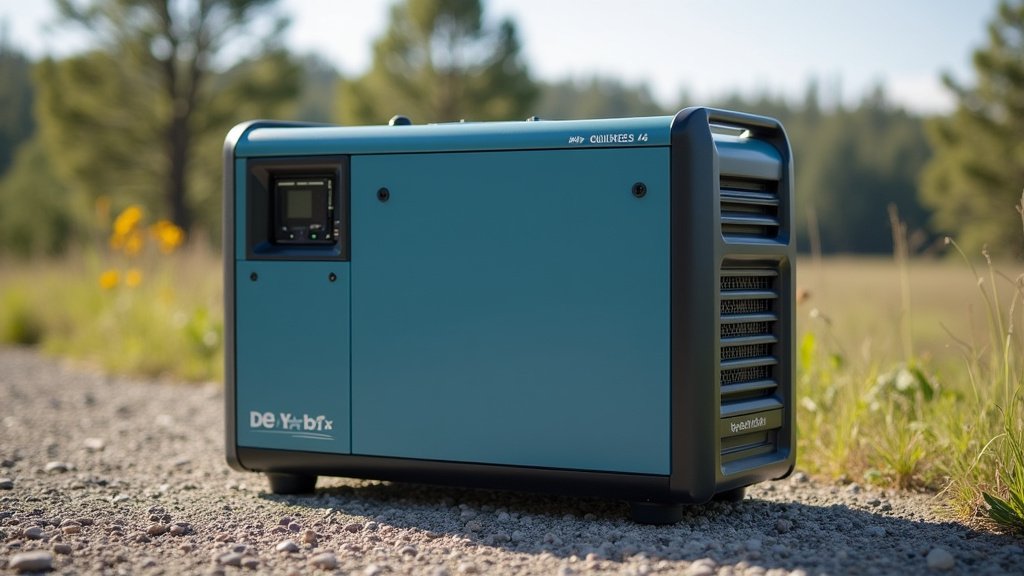
Finding Your Quiet Companion: A Quick Checklist
Ready to make your pick? Here’s a handy checklist to guide you as you search for the quietest portable power station that fits your needs. Keep these points in mind to make an informed decision.
- Check the Decibel (dB) Rating: Aim for models under 50 dB, ideally in the 30-45 dB range.
- Verify Inverter Type: Ensure it has a pure sine wave inverter for clean and quiet power.
- Look for Variable Fan Speeds: This feature significantly reduces noise under light loads.
- Read Reviews on Noise Levels: User experiences can offer real-world insights beyond manufacturer specs.
- Consider Your Wattage Needs: Choose a unit with sufficient capacity so it doesn’t strain under load.
- Inspect Build Quality: A solid, well-constructed unit often translates to quieter operation.
Conclusion
You’ve learned that finding the quietest portable power station is all about understanding the technology inside. Prioritizing models with pure sine wave inverters and variable fan speeds will ensure a peaceful experience. Remember that noise levels often depend on the load you’re placing on the unit. By checking the decibel ratings and reading real-world reviews, you can confidently choose a power station that meets your need for tranquility. Now, take that knowledge and start looking for your perfect quiet companion for camping, work, or home backup.
Frequently Asked Questions
What is the absolute quietest portable power station on the market?
Pinpointing the absolute quietest can be tricky as models and specs change. However, we found that units rated under 40 decibels are exceptionally quiet. Look for brands that specifically highlight ultra-quiet operation and consistently receive positive user reviews for noise levels.
Can I run sensitive electronics like a laptop on a quiet power station without damage?
Yes, absolutely! Quiet power stations typically feature pure sine wave inverters. This technology provides clean, stable power that’s safe for all your sensitive electronics, including laptops, cameras, and medical equipment, just like your home’s wall outlets.
How much noise should I expect when the power station is under a heavy load?
When running demanding appliances, the fans will work harder, increasing the noise. We found that a power station might go from near silence at a light load to around 45-55 decibels under a heavier load. It’s always best to check the manufacturer’s specifications for noise ratings at different load levels.
Are power stations with solar charging capabilities generally quieter?
The solar charging capability itself doesn’t directly impact the noise level of the power station’s operation. The quietness still comes down to the internal inverter and fan system. However, many solar-ready units are designed for outdoor use, so manufacturers often build them with quiet operation in mind.
How can I test if a power station is truly quiet before buying?
While you can’t always test in person, your best bet is to read detailed user reviews on retail sites and forums. Look for comments specifically mentioning noise levels during various types of use. Manufacturers often list decibel ratings, but real-world experiences provide valuable context.