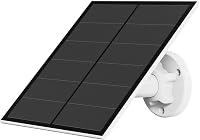
How to Disconnect a Suitcase Solar Panel
Disconnect the power station or charge controller first, then separate the panel connectors. Keep the panel out of direct sun while you unplug it, protect the connectors, and fold the panel only after checking the cables.
On this page (9 sections)
- How do you disconnect a suitcase solar panel safely?
- Which connection should you remove first?
- What should you do before unplugging the panel?
- How do you protect the connectors after disconnecting?
- How should you fold and store a suitcase solar panel?
- What mistakes can damage a disconnected solar panel?
- How do you reconnect the suitcase solar panel later?
- How do you disconnect a suitcase solar panel for long-term storage?
- What is the safest way to disconnect a suitcase solar panel?
To disconnect a suitcase solar panel, stop or isolate the charging equipment first, then unplug the panel connectors. Move the panel out of direct sun when possible, keep the connectors dry, inspect the cable ends, and fold the panel without bending or pinching the wires.
The exact connector layout varies between panels and power stations. Before your first setup, the Solar Panels: The Complete Buying Guide can help you match panel output, connectors, and charging equipment.
How do you disconnect a suitcase solar panel safely?
Turn off the power station or charge controller before separating the solar panel cables. Then unplug the panel connectors by their housings, not by pulling on the wires.
- Stop charging through the power station or controller.
- Move the panel into shade if you can do so safely.
- Separate the solar connectors by holding the connector bodies.
- Fit protective caps if your equipment includes them.
- Check the cables, connectors, hinges, and kickstands.
- Let wet parts dry before folding and storing the panel.
Some systems have more than one cable or connector. Take a quick photo of the connections before disconnecting if you are still learning the setup.
If your system uses a charge controller with a battery, follow the controller's instructions. A panel may still produce electricity in sunlight even after it stops charging a device.
Which connection should you remove first?
Remove the connection going into the power station or charge controller first. Once the charging equipment is isolated, disconnect the panel-side connectors and keep their contacts away from metal objects and water.
Do not pull on the cable insulation. Grip the connector body, release its locking mechanism if it has one, and separate it with steady pressure.
If a connector is stuck, stop and inspect it for dirt, moisture, or a misaligned locking ring. Do not twist hard or use pliers unless the equipment instructions specifically allow that method.
How does a suitcase solar panel connect to a power station?
A suitcase solar panel usually connects through its supplied output cable or solar connectors, but the exact arrangement depends on the panel and station. Check that the voltage, current, polarity, and connector type match before reconnecting.
The Renogy 400W Portable Solar Panel uses MC4 output cables only. For kit setup steps, see how to install a Renogy solar panel kit.
A compatible adapter may be needed for some power stations, and a solar charge controller is needed for compatible 12V or 24V battery systems. Compare portable solar panels with charge controllers for a portable setup.
Use the Best Portable Solar Panel Kits guide if you need to compare a panel, cables, and charging equipment as one setup. Check the connector requirements before you order an adapter.
What should you do before unplugging the panel?
Stop the charging session and check the panel's position before you touch the cables. Make sure the panel is stable, the kickstands are not under tension, and no one is stepping on the cable.
Disconnect before moving the panel across rough ground. Dragging a connected panel can pull on the power station port or strain the connector joint.
If rain has started, move the panel and charging equipment only if you can do so without touching wet electrical connections. Keep the connectors above puddles and dry them according to the equipment instructions.
The EF ECOFLOW Solar Generator 3.6KWh DELTA Pro includes a 400W solar panel and solar charge cable. Its system also includes a power station with multiple outputs, so disconnect the solar input before packing the panel away.
For a panel-and-station setup walkthrough, see How to Use a Suitcase Solar Panel with Your Station. It covers the connection stage that comes before safe shutdown and storage.
How do you protect the connectors after disconnecting?
Keep disconnected solar connectors clean, dry, and protected from impact. Cap them if caps are supplied, or place them where dirt cannot enter the contact area.
Do not leave connectors on wet grass, gravel, or a hot vehicle floor. Avoid stacking heavy gear on the cable ends, and keep the cables loosely coiled instead of wrapping them tightly around the panel.
Inspect for cracked housings, bent contacts, loose seals, or damaged insulation. If you find damage, do not reconnect the panel until the equipment instructions or a qualified technician confirms it is safe.
Water resistance does not make every connection safe to submerge. The Renogy 400W Portable Solar Panel has IP67 waterproofing, while its connectors should still be kept out of standing water.
Compare other options in Best Waterproof Portable Solar Panels.
How should you fold and store a suitcase solar panel?
Fold the panel along its built-in hinges or seams after the cables are disconnected and dry. Keep connectors and cable loops clear of the folding points so they are not crushed.
Close the kickstands and secure loose cables without sharp bends. Use the carry case when one is included, then store the panel in a dry place away from heavy objects and prolonged heat.
Do not fold a rigid panel like a blanket. A portable solar panel with a different construction may need another storage method, so check its instructions before forcing the sections together.
The Renogy 400W Portable Solar Panel for Power weighs 16.1 lb and folds to 16.54 x 15.83 x 4.13 in. For more RV options, compare foldable solar panels for RVs.
Its 16-fold design suits readers who need a compact storage shape for a vehicle or small campsite.
An N-type panel can have different cell and output features, so How to Choose an N-Type Portable Solar Panel is useful when you are comparing replacement panels.
What mistakes can damage a disconnected solar panel?
The biggest risks are pulling the cable, folding over a connector, forcing a stuck plug, and storing the panel wet. A careful shutdown takes only a few extra checks.
Avoid these mistakes:
- Do not pull the cable to separate a connector.
- Do not disconnect with wet hands or wet contacts.
- Do not use metal tools to pry apart a connector.
- Do not fold across cables, junctions, or connector housings.
- Do not place a disconnected panel face down on sharp gravel.
- Do not pack a damp panel into a closed case.
- Do not reconnect without checking polarity and compatibility.
Output can also change with shade, temperature, cable length, sun angle, and the power station's input limits. A lower reading before shutdown does not automatically mean the panel is damaged.
How do you reconnect the suitcase solar panel later?
Place the panel securely, inspect every connector, and connect the panel only to compatible charging equipment. Keep the power station or controller off until the panel cable is fully seated.
Check that the connectors are clean and dry. Route the cable where feet, vehicle doors, tires, and sharp edges cannot damage it.
After connecting, turn on the charging equipment and confirm that the input behaves as expected. Stop if the connector becomes hot, smells unusual, sparks, or shows signs of damage.
If you are choosing a complete system, the Best Portable Power Station With Solar Panel guide can help you compare panel and station combinations.
How do you disconnect a suitcase solar panel for long-term storage?
For long-term storage, disconnect every cable, dry the panel fully, inspect the hardware, and keep the folded panel protected from crushing and moisture. Store the power station and panel according to their separate battery and solar-panel instructions.
Check the panel again before the next trip. Look for cracked surfaces, damaged hinges, loose cable insulation, and corroded or dirty connectors.
A simple label on each cable can help if your setup has several adapters. Keep compatible adapters with the right panel, but don't force a connector just because it looks similar.
What is the safest way to disconnect a suitcase solar panel?
Stop charging, isolate the power station or controller, unplug the panel by its connector housings, and store the dry panel without cable strain. That order protects the charging port, connectors, hinges, and cable insulation.
Pick a panel setup that matches your equipment before you buy. For a compact blanket, compare the Renogy 400W Portable Solar Panel for Power.
For a bundled station and panel, consider the EF ECOFLOW system. For a larger foldable panel with a carry case, review the Renogy 400W Portable Solar Panel.
Use How to disconnect a suitcase solar panel as a quick shutdown reminder, then follow the manuals for your exact panel, controller, and power station.
Frequently asked questions
Which cable should you disconnect first from a suitcase solar panel?
Turn off or disconnect the power station or charge controller first, then separate the solar panel connectors. This reduces the chance of leaving the panel actively feeding the charging equipment while you work.
Follow the equipment manual if it gives a different order for its connectors or shutdown controls.
Can you disconnect a solar panel while it is in sunlight?
Yes, but shade the panel first when practical and keep the connectors dry. Disconnect the power station or charge controller before separating the panel cables.
Don't touch exposed contacts with wet hands, and don't leave unplugged connectors sitting in puddles or loose soil.
Should you unplug the solar panel before storing it?
Yes. Disconnect the panel from the power station or controller, separate the cables, inspect the connectors, and let damp surfaces dry before folding the panel.
Store the folded panel and cables where they won't be crushed, sharply bent, or exposed to standing water.
Can you leave a suitcase solar panel connected overnight?
Don't assume it is safe to leave the panel connected overnight. Check the power station, charge controller, and panel manuals for their charging and storage instructions.
If you are finished charging, disconnect the system and store the panel as directed, especially before rain or long-term storage.