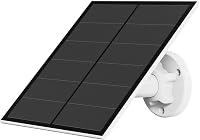
How Hot Does a 100W Solar Panel Get?
A 100W solar panel can become much hotter than the surrounding air in direct sun, but its exact surface temperature depends on sunlight, airflow, and mounting. Leave space behind it so heat can escape.
On this page (8 sections)
- How hot does a 100W solar panel get in the sun?
- Why does panel heat matter for solar output?
- Does mounting change how hot a solar panel gets?
- How can you check panel surface temperature?
- Do small solar panels need the same airflow?
- What mounting habits help limit heat buildup?
- What should you check before choosing a 100W panel?
- What temperature of a 100W solar panel should guide your decision?
A 100W solar panel can get much hotter than the surrounding air when it sits in direct sun, but there isn't one fixed surface temperature for every panel. Sun intensity, airflow, mounting clearance, and the surface beneath it all affect heat buildup.
A panel's 100W rating describes its rated power under specified conditions, not its temperature. If you're comparing panels, our guide to which solar panel is best explains the other factors that affect fit and output.
How hot does a 100W solar panel get in the sun?
A 100W panel's surface can rise well above the air temperature in full sun. The exact reading varies with the weather, panel construction, tilt, and ventilation, so don't treat one temperature as a rule for every installation.
A dark panel absorbs sunlight, and some of that energy becomes heat. Wind and open space behind the panel carry heat away, while still air and a close-fitting surface can slow cooling.
The panel's temperature also isn't the same as the temperature of its solar cells. A surface reading can help you compare conditions, but it doesn't reveal the panel's power output by itself.
Why does panel heat matter for solar output?
Heat can reduce a solar panel's voltage and power, even when bright sun is available. The amount depends on the specific panel and its temperature characteristics.
A 100W rating is not a promise that the panel will continuously deliver 100W in everyday conditions. For one gate system example, read slow Mighty Mule panel charging.
Sun angle, clouds, shade, wiring, and the connected charge controller or power station all affect output.
See why 100W solar panels rarely hit 100 watts for a closer look at real-world output.
Does the temperature of a 100W solar panel affect voltage?
Yes. Solar cells generally produce less voltage as their temperature rises, which can lower power under otherwise similar conditions.
Check the manufacturer's temperature coefficient and operating limits for the panel you're considering; values differ across models. Cold weather can raise Voc, so see choosing a 40V Voc panel when checking input limits.
Don't confuse a panel's maximum operating temperature with the temperature it will reach on your roof or campsite. The maker's rating describes a limit or test condition, not a prediction for your setup.
Does mounting change how hot a solar panel gets?
Mounting affects how easily warm air escapes from behind a panel. A raised mount with open space can allow more airflow than a panel pressed against a roof, dashboard, or other surface.
Leave the clearance the panel maker specifies, and don't cover vents or attach material over the panel to manage heat. A panel can still get hot in open air during intense sun, but airflow gives heat a route to dissipate.
Portable panels often include a way to prop them at an angle. The ZOUPW 100W portable panel has 2 adjustable kickstands, so you can angle it toward the sun and keep it off the ground.
Its maker lists an upper temperature rating of 158°F. That is a rating for the panel, not a target surface temperature or a promise that it will stay below that number in every setup.
For a fixed installation, compare panel types and mounting needs in which solar panel type is better. A rigid panel and a portable panel may have different installation options, so follow the instructions for the model you choose.
How can you check panel surface temperature?
Use an infrared thermometer to take a surface reading without touching the panel. Measure in a few spots, since sunlight, reflections, and the panel's frame can produce different readings.
Record the air temperature, time, sun conditions, and whether the panel is raised or flush-mounted. Those notes make comparisons more useful than a single temperature taken without context.
Avoid touching a panel in strong sun to judge its heat. If you need to adjust or move it, follow the maker's instructions and let it cool first.
Do small solar panels need the same airflow?
Small panels also warm up in direct sun, though their size and intended use differ. Mount them where their surfaces can receive sunlight and where the installation follows the maker's instructions.
The SOLPERK 20W kit includes an adjustable mounting bracket for a 12V battery-charging setup. Its panel has a tempered-glass surface and aluminum frame.
For a camera, the YCTechCam 5W panel has a 360-degree adjustable wall bracket and a 9.8 ft cable. It is intended for compatible rechargeable security cameras, and its maker notes that it doesn't work with several named camera brands or plug-in cameras without batteries.
Before mounting either panel, check its installation instructions and confirm the setup suits the device or battery you're charging. If you need a panel for a vehicle dashboard, see best dashboard solar panels for trickle charging.
What mounting habits help limit heat buildup?
Give the panel room for air to move behind it. Keep it clear of surfaces and objects that block airflow, while using the mounting method the maker allows.
For a portable panel, set it on a stable surface with its supports open. Don't place it on hot pavement or close it up while it is still warm.
For a roof panel, use the specified rack or mounting hardware rather than improvising a tight seal against the roof. Check the area around the panel for debris that could block airflow or shade cells.
A thermometer can help you compare two mounting positions under similar sun conditions. If one position runs hotter, consider whether airflow or shade differs before changing the installation.
Should you cool a hot solar panel with water?
Don't spray water on a hot panel to cool it unless the maker specifically allows that method. Sudden temperature changes may stress materials, and water near connectors or other equipment can create additional risks.
Instead, reduce direct sun by moving a portable panel to shade when it isn't charging, or let it cool naturally before handling it. For a permanently mounted panel, follow its care instructions.
What should you check before choosing a 100W panel?
Choose a panel based on its mounting, ventilation, and connection needs as well as its rated power. A suitable setup should leave space for airflow and work with the device or charge controller you plan to use.
The ZOUPW panel is a portable option with kickstands and multiple connector types. For a rigid model, compare dimensions, mounting requirements, and electrical compatibility in best 100W rigid solar panels.
If you plan to charge a power station, check the station's input limit and connector requirements. The panel maker notes that charging speed depends on the power station's maximum input.
What temperature of a 100W solar panel should guide your decision?
Use mounting clearance and the maker's temperature limits to judge a setup, rather than expecting one surface temperature from every 100W panel. A raised, ventilated position can help heat escape, while direct sun and still air can raise surface temperature.
Pick a portable panel if you need to reposition it and want built-in supports. Pick a rigid panel if its mounting approach fits your installation, and compare electrical compatibility before buying.
Frequently asked questions
How hot can a 100W solar panel get?
A 100W solar panel can get much hotter than the air around it in strong sun, but there is no single temperature for every panel or setup. Ambient temperature, sunlight, wind, panel color, and airflow behind the panel all affect its surface heat.
Check the panel maker's temperature limits.
Does a solar panel get hotter when it is producing more power?
Strong sun can raise panel temperature while also increasing available solar energy, but heat itself does not mean the panel is producing more power. Solar cells generally lose some voltage as they get hotter.
Sun angle, shade, wiring, and the connected device also affect output.
Does mounting a solar panel flat make it hotter?
A panel mounted flat against a roof or surface may have less airflow behind it than one raised on a rack, so heat can build up more easily. The actual temperature depends on the surface, sun, wind, and mounting gap.
Follow the panel maker's instructions for clearance and installation.
Can you touch a hot solar panel?
Avoid touching a panel in direct sun just to check its temperature; a hot surface can be uncomfortable or cause a burn. Switch off or disconnect equipment only as its manual directs, and let the panel cool before handling it.
Use a thermometer if you need a temperature reading.