What Does UN3480 Mean on a Power Station?
UN3480 on a power station identifies lithium-ion batteries shipped without the equipment they power. It is a transport marking used for battery safety, not a power station performance rating.
On this page (8 sections)
- What does UN3480 mean on a power station?
- Is UN3480 the same as UN3481?
- Does UN3480 change how you use a power station?
- How should you store a power station with a UN3480 label?
- Is it safe to store a power station in a garage?
- Can a cover stay on a running generator?
- How do you store a power station long term?
- What should you remember about UN3480?
UN3480 on a power station identifies lithium-ion batteries shipped without the equipment they power. It is a transport classification, not a rating for the station's watt-hours, output, charging speed, or reliability.
You may see the marking on packaging, shipping paperwork, or a battery carton. The label helps carriers recognize that lithium-ion cells are involved and that special transport rules apply.
That distinction matters because a transport label can look like a warning about the product itself. In this case it describes how a battery is being shipped, not how well a power station performs in daily use.
A power station normally keeps its battery installed inside the unit. A separate battery pack, a replacement battery, or a carton sent on its own can fall under a different transport arrangement.
This is also why the same station can be discussed in two separate ways. One conversation covers charging, storage, and safe operation at home.
The other covers packing, carrier rules, and delivery.
UN3480 does not add extra capacity or change the ports on the unit. It does not mean the station can charge faster, run a larger load, or last longer on a charge.
If you are shopping, use the marking only as a shipping clue. For use at home, focus on the manual, the stated capacity, the output limits, and the approved charging method.
If you are sending or returning a unit, keep the label and packaging details intact until you know what the carrier requires. That paperwork helps the shipment move through the right handling path.
What does UN3480 mean on a power station?
UN3480 means lithium-ion batteries shipped by themselves. The “UN” number comes from the United Nations system used to classify dangerous goods during transport.
A power station normally has its battery installed inside equipment. That can affect the correct transport classification.
UN3480 is most closely associated with a lithium-ion battery shipped separately from the device it powers.
The marking does not tell you how much energy the power station stores. For those details, check the watt-hour capacity, output wattage, input limits, and port information in the product manual.
The International Air Transport Association's lithium battery guidance explains why lithium batteries receive specific transport handling.
Is UN3480 the same as UN3481?
UN3480 and UN3481 describe different shipping arrangements. UN3480 covers lithium-ion batteries shipped by themselves, while UN3481 covers lithium-ion batteries packed with or contained in equipment.
The distinction is about transport packaging, not a simple safety ranking. A replacement battery, spare battery pack, or battery shipped separately may fall under UN3480.
A power station with the battery installed may be handled under a classification connected with equipment.
Don't remove a built-in battery just to change its shipping category. Follow the manufacturer's instructions and use the carrier's current rules when returning or transporting a power station.
Does UN3480 change how you use a power station?
No, the UN3480 marking does not change normal operation by itself. Use the power station according to its manual, including the approved charger, charging temperature, storage conditions, and inspection steps.
Keep the station dry and away from heat sources. Stop using it if you notice swelling, smoke, unusual heat, a damaged case, a burning smell, or signs of liquid entering the unit.
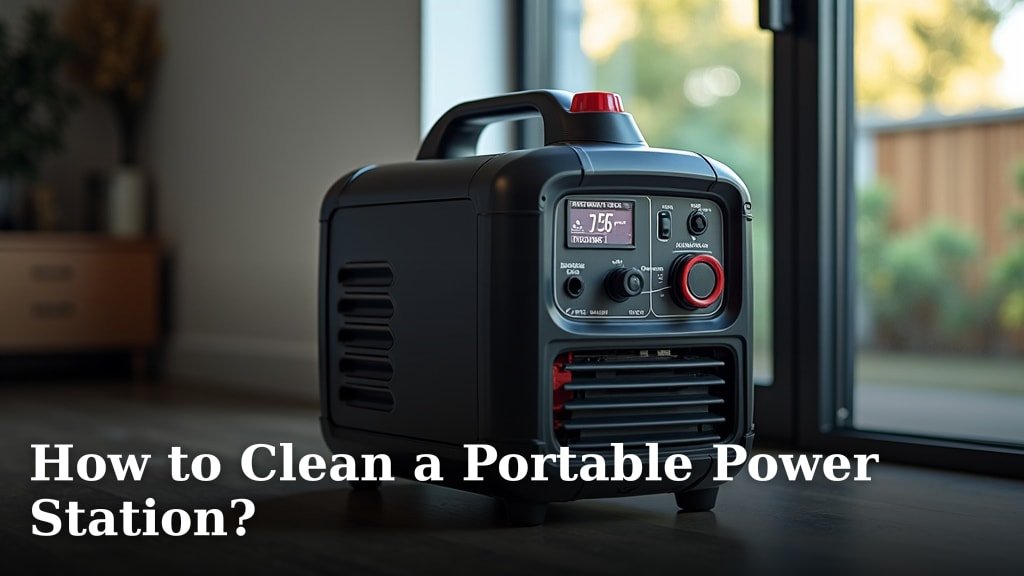
For general upkeep, see How to Clean a Portable Power Station?. Cleaning the outside can remove dust, but it cannot make a damaged battery safe.
Never open a sealed battery pack unless the manufacturer specifically directs a qualified service procedure. Do not place a damaged lithium-ion battery in household trash or regular recycling.
Contact local hazardous-waste services or the battery maker for disposal instructions.
How should you store a power station with a UN3480 label?
Store the power station in a cool, dry place away from direct sun, water, and flammable materials. Keep the unit where its case will not be crushed, punctured, or exposed to heavy objects.
Use the manual's charge level and temperature guidance. Inspect the case, ports, cable, and charger before storage, and check the station periodically if it will sit unused for a long time.
Our guide to What Is the Best Way to Store a Power Station? covers preparation, placement, charge checks, and long-term care.
A protective cover can help limit dust and moisture around outdoor generator equipment, but a cover is not a substitute for safe battery storage. Keep the power station itself within the temperature and moisture limits in its manual.
Can a generator cover help protect outdoor backup equipment?
A generator cover helps when dust, dirt, moisture, and sun exposure are the main storage concerns. It should fit the equipment without blocking required ventilation or trapping heat.
The Westinghouse Outdoor Power Equipment WGen Generator Cover is made from synthetic polyester fiber, uses a drawstring, and measures 28.5 x 24.5 x 25 inches. It fits open-frame generators rated up to 9500 running watts and is designed for storage or transport, not while the generator is running.
This option suits someone storing a compatible open-frame gas generator in a dry location where dust and UV exposure are concerns. Check the equipment dimensions before ordering, and remove the cover before starting the generator.
Is it safe to store a power station in a garage?
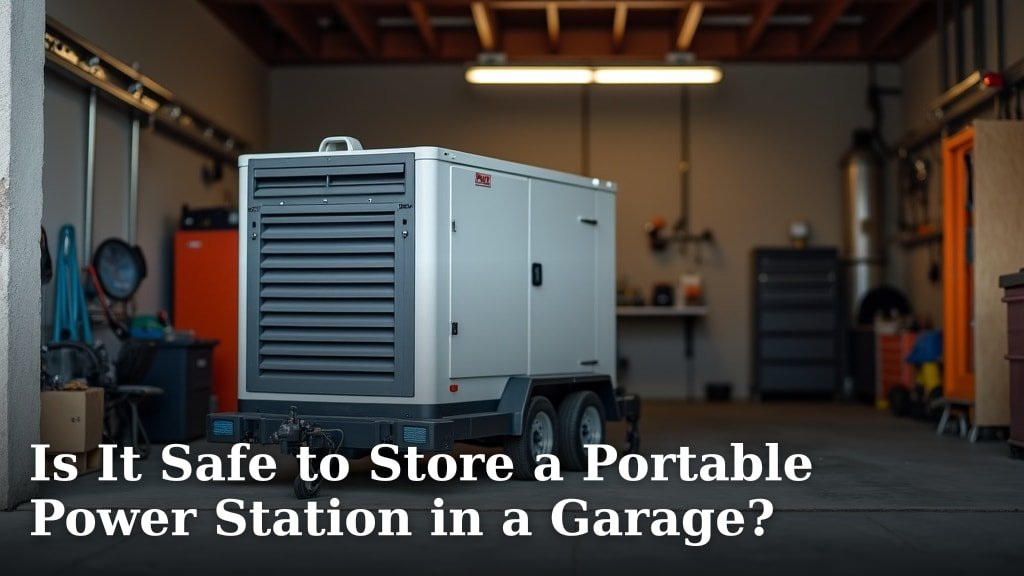
A garage is suitable only when its temperature, moisture, and fire-risk conditions fit the power station's manual. Garages can become very hot, very cold, damp, or crowded with fuel and other flammable materials.
Read Is It Safe to Store a Portable Power Station in a Garage? before choosing a storage spot. Keep the unit off wet floors and away from gasoline, propane, paints, heaters, and direct sunlight.
For larger outdoor generators, the Porch Shield Generator Cover measures 38 x 28 x 30 inches and is made from 600D polyester with a water-resistant laminated undercoating. It uses hook-and-loop closure, a Velcro strap, an elastic hem cord, and a bottom strap.
This cover suits larger compatible generators that need an all-weather outer layer while stored. Its size is much larger than the Westinghouse cover, so measure the generator before choosing it.
A cover should be dry before you place it over equipment for storage. If moisture is already trapped under the cover, remove it and let both surfaces dry.
Can a cover stay on a running generator?
Only use a running cover when it is specifically designed for operation and your generator's instructions allow it. A normal storage cover can restrict airflow, trap heat, or create a serious hazard if left on while the generator runs.
The GenArmor Generator Covers While Running includes a waterproof tarpaulin cover and metal frame. It is designed for most 4000W to 13000W generators, weighs 14 pounds, and provides access to the fuel area and power panel while the cover remains in place.
This option fits someone who needs a dedicated running enclosure for a compatible outdoor generator. Confirm the generator model and fit before use, and follow the generator's clearance, exhaust, and ventilation requirements.
It is not a cover for changing the meaning of UN3480. The marking still concerns lithium-ion battery transport, while this product is an enclosure for a generator.
How do you store a power station long term?
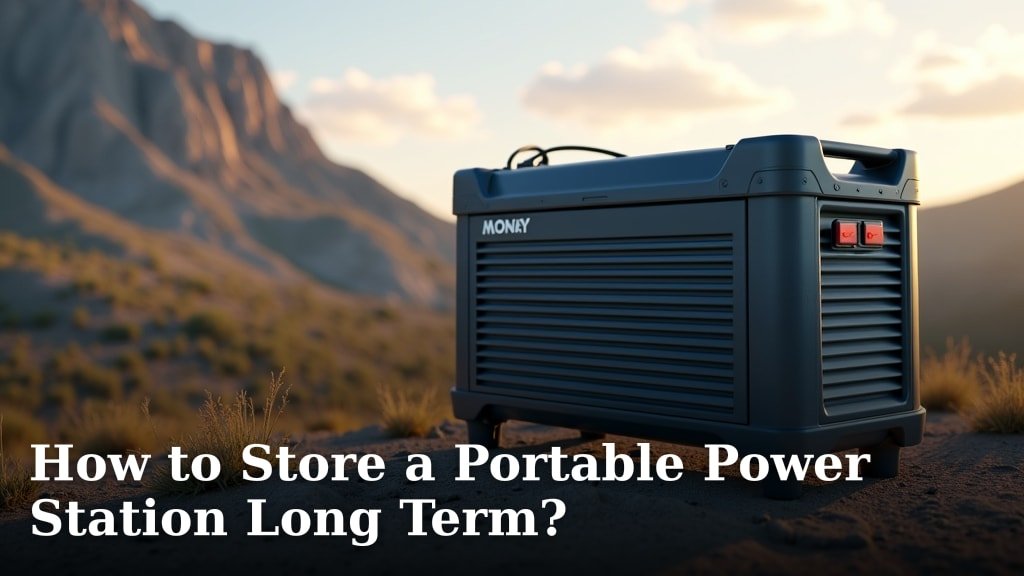
Long-term storage starts with the manual's charge, temperature, and inspection instructions. Clean the outside, disconnect accessories, protect the ports, and place the station somewhere dry and stable.
Use How to Store a Portable Power Station Long Term? for a longer checklist. Recheck the unit at the intervals recommended by its manufacturer instead of guessing how often it needs charging.
Long term storage works best when the unit is clean, dry, and placed where the case will not be knocked, crushed, or covered in dust. A stable shelf or floor spot is better than a crowded corner where other items can fall against it.
Before storage, remove cables and accessories that are not needed. This reduces strain on the ports and makes it easier to inspect the unit later without digging through stored items.
Set the charge to the level the manual recommends for storage. Then note the date, so the next check is based on a record rather than memory.
During storage, check the case, ports, cable, and charger for damage, swelling, corrosion, or signs of moisture. Stop and seek advice if the case looks changed, smells unusual, or feels warmer than the room.
Keep the station away from direct sun, heaters, flammable materials, and damp floors. Heat and moisture are common risks in garages and sheds, so the storage spot matters as much as the charge level.
Do not store a damaged or swollen battery. Keep shipping labels and packaging information available if you need to arrange a return, replacement, or carrier-approved shipment.
A protective cover can help with dust on outdoor equipment, but it should not replace the temperature and moisture limits in the manual. Dry storage and scheduled checks remain the core of long term care.
What should you remember about UN3480?
UN3480 is a transport label for lithium-ion batteries shipped by themselves, not a power station performance score. It does not tell you the unit's capacity or whether it is suitable for your devices.
Choose storage based on the manual's limits, protect the equipment from heat and moisture, and separate ordinary storage covers from covers designed for running generators. For output terms, compare What Does Surge Watts Mean on a Power Station? with What Does Continuous Watts Mean on a Power Station?.
If you see swelling, smoke, unusual heat, or case damage, stop using the station and contact the manufacturer or local hazardous-waste service for safe next steps.
Frequently asked questions
What does UN3480 mean on a power station?
UN3480 identifies lithium-ion batteries shipped by themselves under the United Nations classification system for dangerous goods. It is a transport label that helps carriers handle the battery safely.
It does not show the power station's capacity, output, charge speed, or quality.
Is UN3480 the same as UN3481?
No. UN3480 applies to lithium-ion batteries shipped by themselves.
UN3481 applies to lithium-ion batteries packed with or contained in equipment.
A power station with its battery installed may use a different shipping classification from a battery shipped separately.
Can I use a power station marked UN3480?
Yes, the marking does not mean the power station is unsafe to use. It identifies the battery type for transport.
Follow the owner's manual for charging, storage, ventilation, temperature limits, inspection, and damaged-battery instructions.
Does UN3480 mean a power station is dangerous?
UN3480 means the item contains or represents a lithium-ion battery shipment that needs controlled transport handling. It does not mean the power station is defective or dangerous during normal use.
Damage, swelling, overheating, liquid exposure, or smoke are separate warning signs that require immediate caution.