What Is a Power Inlet Box Used For?
On this page (7 sections)
A power inlet box is essentially a weatherproof outdoor outlet. It’s used to bring electricity from a portable generator or another power source directly into your home or RV. Think of it as a safe and convenient connection point for temporary power needs. This avoids running long, potentially unsafe extension cords through windows or doors.
Many homeowners find these boxes incredibly useful for situations like power outages or camping trips. They offer a more permanent and reliable solution than makeshift setups. We found that proper installation ensures a safe and efficient way to use your generator’s power. It’s a smart addition for anyone who relies on backup power.
- A power inlet box is an outdoor electrical connection point.
- It safely connects a generator to your home or RV.
- It’s ideal for temporary power needs like outages or camping.
- It provides a safer and more convenient alternative to extension cords.
Let’s walk through exactly what a power inlet box is and why you might need one. We’ll cover the basics to help you understand its role in your power setup.
Understanding the Purpose of a Power Inlet Box
A power inlet box acts as a safe connection point for getting electricity from an external source into your home. It’s typically installed on the exterior of your house. You might also see them on RVs or travel trailers. Think of it as a designated, weatherproof spot to plug in your generator. This avoids the need to run long, potentially hazardous extension cords through windows or doorways. Many homeowners find these boxes incredibly useful for situations like extended power outages or during camping trips where you want more than just battery power. They offer a more permanent and reliable solution than makeshift setups.
How a Power Inlet Box Connects Your Generator
The core function of a power inlet box is to bridge the gap between your portable generator and your home’s electrical system. It’s designed with specific connectors that match the outlets on most generators. When you need backup power, you connect a heavy-duty generator extension cord from your generator to the power inlet box. This setup then feeds that power into your home’s electrical panel. It’s a much cleaner and safer way to receive power than trying to snake cords through a window. We found that proper installation ensures a safe and efficient way to use your generator’s power.
The Safety Advantages Over Extension Cords
Let’s be honest, running extension cords through windows or doors during an outage isn’t ideal. It can damage your cords, your window seals, or even create a tripping hazard. Power inlet boxes eliminate these risks. They are specifically designed to be weatherproof and durable. This means they can withstand outdoor elements like rain or snow. They provide a secure connection that’s less likely to become loose. This reduces the chance of electrical shorts or fires. Many guidelines point to these outdoor-rated connections as a safer choice for generator power (National Electrical Code).
Bringing Power Inside Safely
The connection from the power inlet box to your home’s electrical panel is usually made by a qualified electrician. This internal wiring is critical for safety. It ensures that the generator power is directed properly and safely to the circuits you want to power. Often, a transfer switch is part of this setup. A transfer switch is essential because it prevents backfeeding electricity. Backfeeding occurs when you send power back into the utility lines. This is extremely dangerous for utility workers and can damage your generator. We found that using a transfer switch with your power inlet box is a highly recommended safety measure.
Common Uses for a Power Inlet Box
So, when would you actually need one of these handy boxes? The scenarios are quite varied, but they all boil down to needing a reliable and safe way to bring in power from an external source. Think about situations where your main power might be temporarily unavailable or insufficient.
Power Outages at Home
This is perhaps the most common reason people install a power inlet box. When storms hit or utility lines go down, your home can be left in the dark. A portable generator can keep your lights on, your refrigerator running, and your devices charged. Without a power inlet box, you’d be stuck with those extension cords. With one, you can quickly connect your generator and power essential appliances. It provides peace of mind knowing you won’t be left without power for extended periods. We found that this provides a significant quality of life improvement during outages.
Recreational Vehicles (RVs) and Travel Trailers
For those who love to travel in an RV or pull a travel trailer, power inlet boxes are almost standard. RVs often have a built-in power inlet designed for campground hookups. However, if you’re boondocking or camping off-grid, you might bring your own generator. A power inlet box on your RV allows you to easily connect your generator to power your onboard systems. This includes lights, appliances, and entertainment systems. It’s a convenient way to have power wherever your adventures take you.
Workshop and Garage Power Needs
Do you have a detached garage or workshop? Running permanent electrical lines can be expensive and complex. If you use a portable generator to power tools in your workshop, a power inlet box on the workshop structure is a smart solution. It allows you to connect the generator securely from outside. You can then run power to your tools without long, cumbersome extension cords across the yard. This makes it much easier and safer to work in your detached space.
Backup Power for Specific Equipment
Beyond just whole-house backup, some individuals use power inlet boxes for more specialized needs. For instance, someone with a home business that requires continuous power might use a generator and inlet box to keep critical equipment running. This could include servers, specialized medical equipment (always consult manufacturers for generator compatibility), or communication systems. The reliability and safety of a proper inlet box setup are key here.
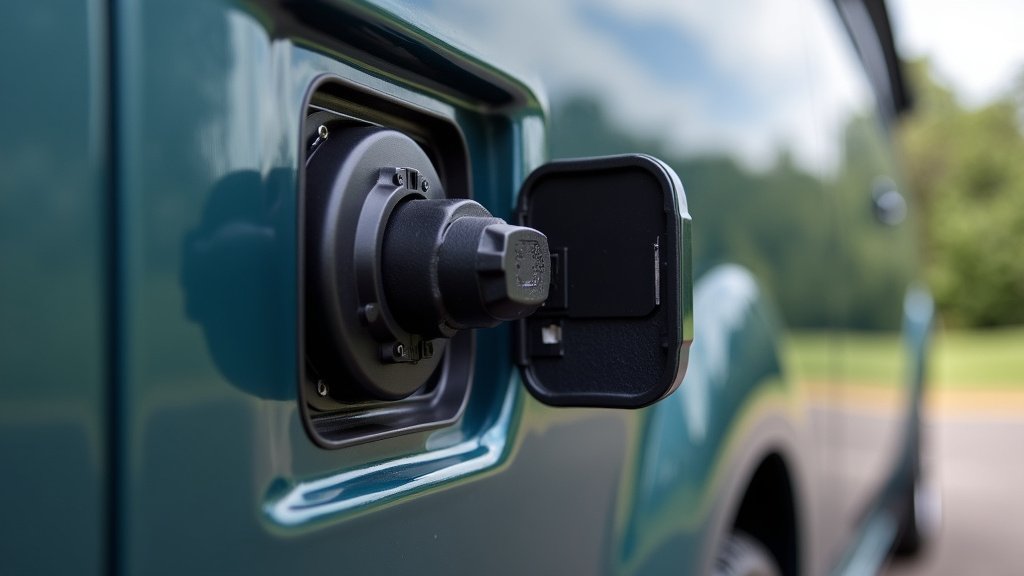
Types of Power Inlet Boxes and Their Features
Not all power inlet boxes are created equal. They come in various configurations to suit different needs and generator types. Understanding these differences can help you choose the right one for your situation.
Single Receptacle vs. Multiple Receptacles
The most basic power inlet boxes have a single outlet. This is usually a 120-volt outlet. Some boxes, however, offer multiple receptacles. You might find a combination of 120-volt and 240-volt outlets. This allows you to connect different types of appliances or power larger loads if your generator supports it. Always check the amperage and voltage ratings of the box to ensure it matches your generator’s output and your intended use.
Weatherproofing and Durability Ratings
When selecting a power inlet box, look for its NEMA rating. This rating indicates the level of protection against environmental factors. For outdoor use, you’ll want a box with a high degree of protection against dust and water. For example, NEMA 3R or NEMA 4 enclosures are common and offer good weather resistance. We found that a well-sealed enclosure is critical for longevity and safety. Some boxes even have spring-loaded covers to keep the outlets protected when not in use.
Connector Types
The physical plug and receptacle on the power inlet box will vary. The most common for residential use is the L14-30R receptacle. This is a 30-amp, 120/240-volt locking connector. It’s widely used on many portable generators and their corresponding cords. Other types exist, such as the L5-30R (30-amp, 120-volt locking) or even standard straight-blade outlets for lower-power applications. It’s vital to ensure the inlet box connector matches the plug on your generator cord.
Choosing the Right Power Inlet Box for Your Needs
Selecting the correct power inlet box involves considering your generator, what you need to power, and where it will be installed. Here’s a quick checklist to help you decide:
- Generator Output: What is the voltage and amperage of your generator?
- Appliance Needs: What appliances will you power during an outage?
- Connector Compatibility: Does the box match your generator’s plug type?
- Weather Rating: Is the box suitable for outdoor installation in your climate?
- Installation Location: Where will the box be mounted on your home or RV?
- Future Needs: Might you upgrade your generator or power needs later?
By carefully considering these points, you can select a power inlet box that provides a safe, reliable, and convenient connection for your backup power needs. It’s an investment in preparedness and peace of mind.
Conclusion
You’ve learned that a power inlet box is your dedicated outdoor connection point for generators. It’s a much safer and more convenient alternative to running extension cords through windows. We found that whether for home power outages, RV adventures, or workshop needs, it offers reliable access to temporary power. It ensures you can keep essential systems running without compromising safety. Your next step should be to assess your generator’s output and your power needs to choose the right type of inlet box for your installation.
Frequently Asked Questions
Can I install a power inlet box myself?
While some DIYers might tackle this, we strongly recommend hiring a qualified electrician for power inlet box installation. Proper wiring to your electrical panel and ensuring compliance with electrical codes are critical for safety. An electrician will also ensure a transfer switch is correctly integrated, preventing dangerous backfeeding.
What’s the difference between a power inlet box and a regular outdoor outlet?
A power inlet box is specifically designed to connect to a generator, often featuring specific locking connectors like the L14-30R. Regular outdoor outlets are typically standard receptacles meant for direct grid power. Inlet boxes also often have a more robust weather rating and are part of a system that includes a transfer switch for generator use.
Do I need a transfer switch with a power inlet box?
Yes, a transfer switch is essential for safe operation with a power inlet box. It prevents dangerous backfeeding of electricity into the utility grid, which can harm utility workers and damage your generator. The transfer switch safely isolates your home’s circuits from the grid before connecting them to the generator.
How do I know what size power inlet box I need?
You’ll need to match the power inlet box to your generator’s output and the appliances you plan to power. Check your generator’s voltage (e.g., 120V or 240V) and amperage (e.g., 30A or 50A). Also, consider the connector type your generator uses. We found matching these specifications ensures efficient and safe power transfer.
Can a power inlet box be used for more than just generators?
Typically, power inlet boxes are designed exclusively for generator connections. They are part of a system intended for temporary backup power. Using them for other purposes or with non-generator power sources could bypass safety features and lead to electrical hazards or equipment damage.