How to Winterize a Portable Power Station?
On this page (5 sections)
Yes, you absolutely need to winterize your portable power station to keep it in top shape. Proper storage prevents cold weather damage and ensures it’s ready when you need it next. Following a few key steps can mean the difference between a dead battery and a fully charged adventure companion.
Think of winterizing like tucking your power station in for a long nap. Extreme cold can drain its battery faster and even cause permanent harm to the internal components. We found that proper preparation is simple and protects your investment.
- Store in a cool, dry place.
- Keep batteries between 32°F and 80°F.
- Charge to about 50% before storage.
- Check charge levels periodically.
Let’s walk through exactly how to get your portable power station ready for the cold months so it’s good to go when spring rolls around. Learn how to charge your portable power station safely during the cold months.
Getting Your Power Station Ready for Winter
Storing your portable power station correctly during the colder months is essential. You want it to be ready to go when you need it. Think of it like putting away your garden tools for the winter. A little preparation goes a long way.
Why Winterizing is Important for Your Power Station
Extreme cold is not your power station’s friend. It can affect the lithium-ion batteries inside. These batteries have a specific temperature range where they perform best. When they get too cold, their ability to hold a charge can diminish.
We’ve found that leaving a power station in freezing temperatures for extended periods can lead to permanent battery damage. This means it might not ever hold as much power as it used to. It’s like over-stressing a muscle; it can get hurt.
Many manufacturers advise against storing batteries in temperatures below freezing. The cold can slow down chemical reactions within the battery. This can make charging difficult and reduce overall lifespan. We want to protect your investment and ensure reliable power when you need it most.
Ideal Storage Temperatures for Your Power Station
So, what’s the sweet spot for storing your power station? Most manufacturers recommend keeping the battery temperature between 32°F and 80°F (0°C to 27°C). This range is safe and helps maintain battery health.
Storing it in a hot garage during summer is bad. Storing it in a freezing shed during winter is also bad. You need that middle ground. Many experts agree this range prevents the most common types of battery degradation from temperature extremes (Battery University).
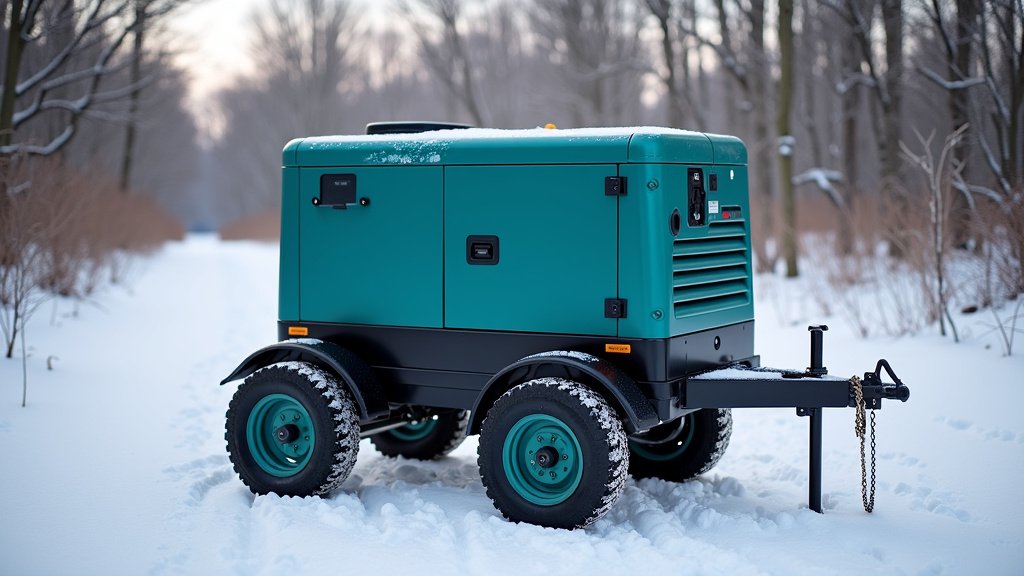
If you live in a climate with very cold winters, you’ll need to be extra careful. A standard unheated shed or garage can easily dip below 32°F. This is why finding a suitable indoor space is key. Your goal is to avoid both extreme heat and extreme cold.
Steps to Properly Winterize Your Power Station
Preparing your power station for winter involves a few straightforward steps. These aren’t complicated, but they are important for keeping your device in good working order. Let’s break them down.
1. Check and Charge the Battery
Before you store your power station, you need to consider its charge level. Leaving a lithium-ion battery fully charged for a long time isn’t ideal. Similarly, letting it sit completely dead is also problematic.
Research suggests that storing lithium-ion batteries at around 50% charge is the best practice for long-term storage. This minimizes stress on the battery cells. It helps prevent over-discharge during storage. We found this is a universally recommended guideline for many rechargeable batteries.
If your power station is currently at a very high or very low charge, plug it in. Charge it or discharge it until it reaches that 50% mark. Most power stations have a display showing the current battery percentage. You can simply watch this as you charge or use the device.
2. Clean Your Power Station
Before storing, give your power station a good cleaning. Dust and grime can accumulate over time. This is especially true if you’ve used it outdoors or in dusty environments.
Use a soft, dry cloth to wipe down the exterior. For stubborn dirt, you can lightly dampen the cloth with water. Make sure no water gets into any ports or vents. Never use harsh chemicals or abrasive cleaners.
Ensure all ports are clean and free of debris. This ensures a good connection when you eventually plug it back in. You don’t want a spider web or a bit of dirt interfering with charging. It’s a simple step that keeps things tidy.
3. Find the Right Storage Location
The location where you store your power station is critical. As we discussed, temperature is a major factor. You need a place that stays relatively stable and within that ideal temperature range.
Think about your home. An indoor closet, a basement that doesn’t freeze, or even a climate-controlled garage are good options. Avoid places like unheated sheds, attics, or basements that are prone to extreme cold or dampness.
Humidity can also be an issue. High humidity and excessive moisture can damage electronics over time. So, look for a dry spot. If your storage area tends to be damp, consider using a dehumidifier or placing the power station in a sealed container with desiccant packs.
4. Proper Storage Placement
Once you’ve found a suitable location, place your power station carefully. Don’t just toss it in a corner. You want to protect it from accidental bumps or drops.
If possible, keep it in its original box or a protective carrying case. This adds an extra layer of cushioning. Make sure it’s not buried under heavy items. You don’t want anything pressing down on it for months.
Consider placing it on a shelf rather than directly on the floor, especially if the floor might get damp. This also makes it less likely to be stepped on or tripped over. It’s all about giving it a safe, stable spot.
Maintaining Your Power Station During Winter Storage
Winterizing isn’t a “set it and forget it” process. Especially with modern lithium-ion batteries, a little ongoing attention can make a big difference. You’ll want to check on it periodically.
Periodic Charge Checks
Even when stored correctly, batteries naturally lose a small amount of charge over time. This is called self-discharge. For lithium-ion batteries, this rate is quite low, but it’s still present. Understand why power stations lose a small amount of charge over time.
Many experts recommend checking the charge level of your power station at least once every 2-3 months. This is a good cadence. It allows you to catch any significant drops before they become problematic.
If you find the charge has dropped significantly, perhaps below 20%, it’s time to top it up. Plug it in and charge it back up to around 50%. This prevents the battery from entering a deep discharge state, which can be harmful.
Testing the Unit Before Spring
As spring approaches, you’ll want to ensure your power station is fully ready for action. A quick test run before you need it for your first outdoor adventure is a wise idea.
Before the first camping trip or power outage of the season, plug in your power station and charge it fully. Then, try running a few small devices through it. This helps confirm everything is working as expected.
Does it charge devices correctly? Does it hold its charge? If you notice any unusual behavior, it gives you time to troubleshoot or contact customer support before you’re relying on it in a pinch. A basic power station reset may be one troubleshooting step. It’s your final check-up.
A Quick Winterizing Checklist
Here’s a simple checklist to help you remember the key steps for winterizing your power station:
- Check Charge Level: Aim for around 50%.
- Charge or Discharge: Adjust the battery to the 50% target.
- Clean Exterior: Wipe down the unit with a soft cloth.
- Choose Storage Spot: Select a cool, dry indoor location.
- Store Safely: Place on a shelf, in a protective case if possible.
- Schedule Checks: Plan to check charge every 2-3 months.
Following these steps will help ensure your portable power station is protected throughout the winter. It will be ready to power your adventures when warmer weather returns.
Conclusion
You’ve learned how simple it is to winterize your portable power station. Taking these steps protects your device from cold weather damage. Proper storage ensures it’s ready for your next adventure. Remember to charge it to about 50% and find a cool, dry indoor spot. Checking its charge every few months is key for long-term battery health. Don’t wait until spring! Take a few minutes now to get your power station winter-ready.
Frequently Asked Questions
How often should I check the charge on my stored power station?
We recommend checking your power station’s charge level at least every 2-3 months. This helps you monitor for natural self-discharge. If it drops below 20%, plug it in and recharge it to around 50%.
Can I store my power station in an unheated garage?
Generally, no. Unheated garages can get too cold in winter, often dropping below the recommended 32°F storage temperature. Look for a more climate-controlled indoor space like a basement closet or basement.
What happens if my power station’s battery freezes?
Freezing temperatures can cause permanent damage to lithium-ion batteries. This can reduce their capacity and overall lifespan. It’s best to always store your power station within the recommended temperature range to avoid this.
Is it okay to store my power station fully charged?
No, it’s not ideal. Storing lithium-ion batteries at a full charge for extended periods can put stress on the cells. Research suggests a 50% charge is the optimal level for long-term storage to maintain battery health.
Can I use my power station in very cold weather?
While you can use it, performance may be reduced in extreme cold. Cold temperatures can slow down battery function and drain the charge faster. It’s best to keep it as close to room temperature as possible during use.